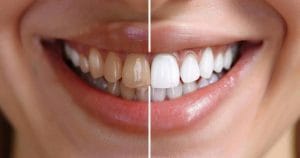
An exposed tooth root is a common yet serious dental concern that occurs when the protective gum tissue pulls away from the tooth, revealing the root surface beneath the gum line. Unlike the tooth crown (which is covered in tough enamel), the root is covered in a softer material called cementum, making it highly susceptible to sensitivity, tooth decay, and damage.
The condition is almost always the result of gum recession and, if left untreated, can lead to severe pain, infection, and eventually, tooth loss. If you’ve recently noticed your teeth appearing “longer” or experienced sudden, sharp sensitivity to hot and cold, understanding the cause and visiting an emergency dentist are the first steps toward restoring your oral health.
What Does an Exposed Tooth Root Look Like? (Visual and Symptoms)
The key to treating root exposure is recognizing it early. While some signs are visual, others are experienced as discomfort or nocturnal toothaches.
| Key Aspect | What It Means | Immediate Symptom | Primary Cause | Long-Term Risk |
| What It Is | Gum tissue recedes, revealing the softer tooth root. | Sharp sensitivity to hot, cold, or sweet foods/drinks. | Gum Recession (often due to Periodontal Disease). | Root decay, infection, and tooth loss. |
| Visual Sign | Teeth appear “longer” or have a darker/yellowish area at the gum line. | Discomfort when brushing or flossing the area. | Aggressive brushing habits or genetic predisposition. | The tooth loses its structural support and attachment. |

Key Symptom: Tooth Sensitivity
The most common and immediate symptom of root exposure is sharp, sudden sensitivity. This happens because the softer dentin layer of the root, which contains microscopic tubes leading to the nerve (pulp), is no longer protected by gum tissue. When exposed to external stimuli, these sensations trigger pain.

Sensitivity Triggers: Hot and cold temperatures, sweet foods, acidic drinks, or even brushing/flossing.
Pain while Eating/Drinking: A sharp, jabbing pain when consuming certain foods or liquids.
Read More: What Is Toothache and How Can You Manage It?
Visual Indicators of Root Exposure
When you look in the mirror, here’s what indicates a receding gum line and potential root exposure:
- “Longer” Teeth: The most obvious sign is that one or more teeth appear longer than their neighbors, giving your smile an uneven or aged appearance.
- Visible Root Surface: The exposed area near the gum line may look slightly darker or yellower than the rest of the tooth crown, as the root surface (dentin/cementum) is not as white as enamel.
- Notches or Grooves (Abfractions): You might see or feel small indentations or V-shaped grooves right where the tooth meets the gum line, often caused by aggressive brushing or teeth grinding.
- Red or Swollen Gums: While gum recession itself involves loss of tissue, the remaining gum tissue may still be inflamed, indicating underlying periodontal disease.
The Core Causes Behind Exposed Tooth Roots and Effective Treatment Options
Root exposure is a consequence of several factors that either damage or destroy the gum tissue and underlying bone. According to MNT, tooth decay, certain medications, lost fillings, post-op complications, and other factors can expose a root. However, to put it simply, the primary mechanism is Gum Recession, where the gum margin wears away or pulls back, physically exposing the root.
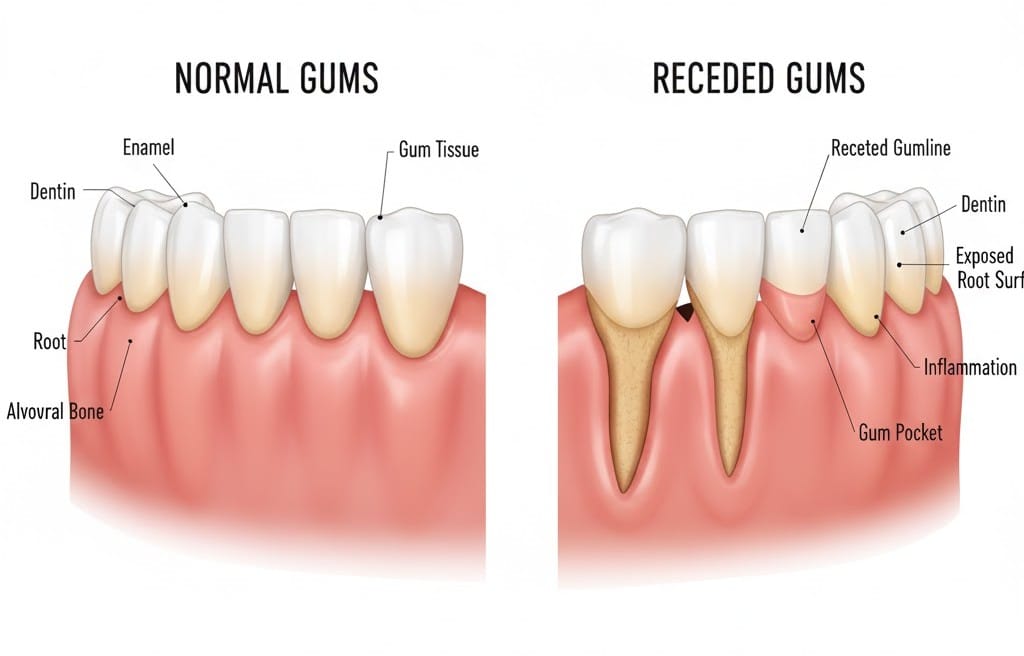
This type of gum disease is frequently driven by one or more of the following:
Periodontal Disease (Gum Disease)
This is a bacterial infection of the tissues and bones that support the teeth. Gingivitis is the early, reversible stage, but if it progresses to Periodontitis, the infection causes the gums to pull away from the tooth, creating pockets. Bacteria thrive in these pockets, destroying the bone and ligament that anchor the tooth, leading to a tooth abscess, severe gum recession, and inevitable root exposure.
Aggressive Brushing Habits
Using a hard-bristled toothbrush or applying excessive force is a form of chronic trauma. This continuous mechanical destruction physically wears away the delicate gum tissue over time, causing it to recede and exposing the root surface beneath.
Teeth Grinding (Bruxism) and Misalignment
Habitual clenching or grinding can place excessive lateral pressure on the teeth and their supporting structures, accelerating gum recession. Similarly, naturally crooked or misaligned teeth can place uneven pressure on the gums, making them highly prone to recession and disease.
Read More: What Will Occur If You Leave Your Fractured Tooth Untreated?
Contact Us for Help!
Do you think you have an exposed tooth root?
Contact us for a same-day appointment and immediate care!
Treatment Options for Exposed Tooth Roots
The appropriate treatment depends on the cause, the severity of the recession, and the tooth’s overall health. Treatments aim to reduce sensitivity, prevent decay, and restore the protective gum line.
Non-Surgical Treatments
These procedures are best for mild cases of recession and for controlling sensitivity:
1. Desensitizing Agents and Fluoride Varnish
For sensitivity relief, your dental hygienist can apply professional desensitizing varnishes or gels directly to the exposed root surface. These products seal the exposed dentin tubules, blocking nerve triggers.
2. Dental Bonding and Fillings
If the root exposure is minor or has resulted in a notch (abfraction) or surface decay, a dentist can use a tooth-colored composite resin (dental bonding) to cover and seal the exposed area. This acts as a protective shield for the root surface.
3. Scaling and Root Planing (Deep Cleaning)
If the recession is caused by periodontal disease, a deep cleaning procedure (Scaling and Root Planing) is necessary. This involves removing plaque and tartar from below the gum line and smoothing the root surface to encourage the gum tissue to reattach and reduce pocket depth.
Surgical Treatments
For moderate to severe recession, surgical solutions are often required to restore the missing tissue.
1. Gum Grafting (Soft Tissue Graft)
This is the gold standard for restoring missing gum tissue. A periodontist harvests a small amount of healthy tissue (either from the roof of your mouth or uses donor material) and carefully grafts it over the exposed root surface. Gum grafting achieves two goals: protecting the vulnerable root from decay and abrasion, and improving the aesthetics of the smile line.
2. Pinhole Surgical Technique (PST)
The Pinhole technique is a minimally invasive alternative to traditional grafting. Instead of using sutures and large incisions, the dentist makes a small pinhole and uses specialized tools to gently loosen and slide the existing gum tissue down to cover the exposed root. Recovery time is typically faster with this option.
Preventing Future Root Exposure and Gum Recession
Taking proactive steps is crucial for protecting your gums and preventing the need for advanced treatments.
- Brush Gently: Switch to a soft-bristled toothbrush (manual or electric) and use gentle, circular motions. Never “scrub” your teeth horizontally near the gum line.
- Practice Daily Oral Hygiene: Brush twice a day with a good toothpaste and floss once daily to remove plaque and prevent gum disease.
- Use a Night Guard for Bruxism: If you clench or grind your teeth, ask your dentist about a custom-fitted night guard to alleviate pressure on your gums and teeth while you sleep.
- Avoid Tobacco Products: Smoking and chewing tobacco are major risk factors for gum disease and accelerate tissue loss.
- Maintain Regular Dental Checkups: Regular cleanings prevent emergencies and allow your dental professional to monitor your gum health, measure pocket depths, and catch recession in its earliest, most treatable stages.
Protecting Your Smile by Protecting Your Roots!
An exposed tooth root is a serious indicator of gum recession, leaving the vulnerable parts of your tooth open to pain, decay, and eventual loss. Whether the cause is gum disease or forceful brushing, the need for action is immediate.
Fortunately, highly effective treatments exist, from simple desensitizing and bonding to advanced gum grafting. Don’t delay; early intervention is critical!
If you suspect root exposure or are experiencing sensitivity, contact the experienced team at Walk-In Dental Clinic today for a comprehensive evaluation and personalized treatment plan.
FAQ
What is the main sign that my tooth root is exposed?
The main sign is a sharp, instantaneous pain or sensitivity in a tooth when consuming hot, cold, or sweet foods and beverages, often accompanied by the tooth appearing visually longer.
Will my gums grow back naturally to cover the root?
No, lost gum tissue due to recession will not regenerate on its own. While proper hygiene can prevent further recession, restorative professional treatments are required to cover the exposed area.
Is gum grafting painful?
Gum grafting is performed under local anesthesia and is not painful in the dental numbing duration. Patients may experience manageable soreness or discomfort at the donor or recipient site for a few days, which can be managed with prescribed medication.
Can an exposed root cause a tooth to fall out?
Yes. If left untreated, the underlying gum disease and decay associated with root exposure can destroy the bone and supporting ligaments, causing the tooth to loosen and eventually lead to extraction or natural tooth loss.
How quickly does an exposed root decay?
The root surface (cementum/dentin) is much softer and lacks the tough protective enamel of the crown. As a result, decay can occur and progress much more rapidly on an exposed root surface compared to the rest of the tooth.
Can I treat sensitivity from an exposed root at home?
You can manage symptoms with desensitizing toothpaste, which blocks microscopic nerve pathways over several weeks of consistent use. However, this does not cure or cover the root exposure, which requires professional treatment.
Does teeth grinding really cause gum recession?
Yes. Habitual teeth grinding (Bruxism) puts excessive, uneven stress on the supporting structure of the teeth. This traumatic force can accelerate gum recession and often leads to chipping or notching at the gum line.
What non-surgical options are available?
Non-surgical options include applying professional desensitizing agents, using composite resin fillings (dental bonding) to cover small areas, and performing scaling and root planing (deep cleaning) to remove infection and stabilize the gum tissue.
How do dentists determine the best treatment?
The dentist assesses the extent of the recession, measures the pockets around the tooth, takes X-rays to check for bone loss, and identifies the underlying cause (like aggressive brushing vs. severe gum disease) to select the most effective solution.
How can I prevent an exposed root from happening in the first place?
The best prevention involves using a soft-bristled toothbrush with gentle, circular motions, flossing daily, wearing a custom night guard if you grind your teeth, and attending all routine dental checkups and cleanings.
Have you ever had an exposed tooth root? How did you find out, and what did you do? Share your thoughts in the comments and join the conversation.