Tooth extraction is one of the most common dental procedures performed today. One question patients frequently ask is: Do I need antibiotics after tooth extraction?
The answer isn’t always straightforward. While many people assume antibiotics are automatically required, research and clinical guidelines show that they are not routinely necessary for every case. In this guide, we’ll explain when antibiotics are needed after a tooth extraction and when they are not. Besides, we explain the dangers of skipping antibiotics after a tooth extraction when they are necessary. If you have skipped antibiotics and are now suspecting infection, we have prepared a very short, free quiz that evaluates your current situation and tells you if you need to visit a dentist urgently, or if it’s just a normal healing process.

Do You Always Need Antibiotics After Tooth Extraction?
Most routine extractions heal naturally without antibiotics. The body’s immune system is highly capable of managing the normal healing process when proper post-operative care is followed. In certain situations, tooth extraction antibiotics may support a smoother healing process, especially for patients with underlying health conditions.
Simple vs Surgical Extractions
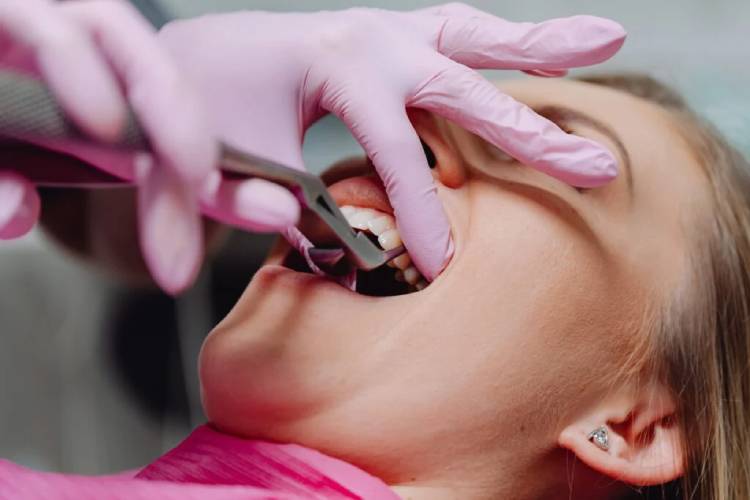
A simple extraction, where the tooth is visible and removed without complex surgery, rarely requires antibiotics in healthy individuals. Even in cases of minor oral surgery, if there is no active infection and the patient has no underlying medical risks, healing typically occurs without complications.
However, surgical procedures such as impacted wisdom tooth extraction may carry a slightly higher risk of infection, particularly when the procedure is prolonged or involves significant tissue manipulation. Even then, antibiotics are prescribed selectively rather than routinely.
What Research Says
High-level evidence from systematic reviews, including analyses conducted by Cochrane Oral Health researchers, suggests that antibiotics provide only a limited benefit in preventing infection among healthy patients undergoing routine tooth extractions. While antibiotics may slightly reduce postoperative infections in certain surgical cases, the overall advantage is modest, and many patients would need treatment to prevent a single infection. According to a Cochrane systematic review, the decision to prescribe antibiotics should be made individually, weighing potential benefits against risks such as adverse reactions and antibiotic resistance
This is why modern antibiotic prescription guidelines emphasize caution. In healthy individuals, routine use of tooth extraction antibiotics is usually unnecessary, and proper surgical technique, careful diagnosis, and good postoperative care play a far more important role in preventing complications than automatic antibiotic use.
When Are Tooth Extraction Antibiotics Actually Necessary?
There are situations where antibiotics are appropriate and even essential. The key is proper diagnosis and individualized risk assessment.
Active Infection or Dental Abscess
If a patient has a spreading infection or a tooth abscess, antibiotics are often necessary in conjunction with extraction. Signs may include:
- Facial swelling
- Fever
- Pus discharge
- Enlarged lymph nodes
In these cases, the infection may extend beyond the immediate extraction site, increasing the risk of systemic infection. Antibiotics such as amoxicillin or clindamycin may be prescribed depending on medical history and allergies.
When a patient presents with severe swelling or difficulty swallowing, seeking urgent care from an Emergency Dentist Richmond Hill provider is critical. Infections left untreated can spread rapidly.
Get Clear Answers After Your Extraction
Not sure whether you need antibiotics after a tooth extraction?
Contact our team today for prompt evaluation and personalized guidance.
Compromised Immune System
Patients with weakened immune systems may require preventive antibiotics. This includes individuals with:
- Poorly controlled diabetes
- Ongoing chemotherapy
- Certain heart conditions
- Autoimmune disorders
Because their immune response is reduced, the risk of post-extraction infection is higher. In such cases, tooth extraction antibiotics are prescribed as a precaution to protect against complications.
High-Risk Surgical Cases
Some complex procedures increase infection risk. These may include:
- Impacted lower wisdom teeth
- Bone grafting procedures
- Prolonged surgical time
- Cases involving extensive bone removal
For example, if a patient plans for a future dental implant and requires grafting after extraction, infection control becomes particularly important to protect bone healing.
Dangers of Skipping Antibiotics When Needed
When your dentist prescribes antibiotics after an extraction, it’s for a reason. Skipping them, or stopping halfway, leads to problems that are harder to fix than they are to prevent. Here’s what can go wrong.
Infection at the Socket
An extraction leaves an open wound in your mouth, and your mouth is full of bacteria. Antibiotics keep those bacteria in check while the area closes up. Without them, an infection can take hold in the first few days, often when you least expect it.
An Abscess Can Form
If bacteria settle in and multiply, pus collects around the site and forms an abscess. It hurts, it swells, and it usually needs a dentist to drain it. This is not something that clears up on its own.
The Infection Spreads
Left alone, an infection doesn’t go away. It can travel into the jaw, the sinuses, or further. People with weaker immune systems are at higher risk, and a small problem can turn serious quickly.
Post-extraction check
Is this normal healing, or a sign of infection?
Seven quick questions about how your extraction site feels right now. Nothing is saved and nothing is sent.
Healing Takes Longer
A clean socket closes up on a predictable schedule, but an infected one doesn't. Instead of feeling better each day, you may stay sore and swollen for a week or more, and the whole recovery drags out.
Higher Risk of Dry Socket
Antibiotics don't cause or cure dry socket directly. Dry socket (alveolar osteitis) occurs when the protective blood clot at the extraction site dislodges or dissolves prematurely, exposing bone and nerves and causing significant pain. But bacteria in the area make it more likely. When the protective blood clot breaks down, the bone underneath is left raw. The pain is sharp, and it can last for days.
The Pain and Swelling
Infection causes inflammation. Something that was expected to be a mild soreness turns into throbbing pain and causes trouble eating or talking. What should have been a quiet recovery becomes a rough one.
Risks of Taking Antibiotics When Not Needed
While antibiotics are powerful tools, overuse carries real consequences.
Antibiotic Resistance
Antibiotic resistance is a growing global health crisis. When antibiotics are overprescribed, bacteria adapt and become more resistant to treatment. This reduces the effectiveness of medications when they are truly needed.
Dental professionals today are trained to prescribe antibiotics responsibly, ensuring that they are used only when clinically indicated.
Side Effects
Common antibiotic side effects include:
- Stomach upset
- Diarrhea
- Allergic reactions
- Yeast infections
In rare cases, severe allergic reactions can occur. This is why dentists carefully review medical history before prescribing.
Disruption of Normal Bacteria
Antibiotics can disturb the body’s natural microbiome, including beneficial gut and oral bacteria. Maintaining a balanced bacterial community is important for immune health and digestion.
Routine preventive measures, such as professional teeth cleaning and good home care, often play a more meaningful role in preventing post-extraction complications than antibiotics.
What Matters More Than Antibiotics for Healing?
In most cases, proper post-operative care is the most important factor in healing.
Key recommendations include:
- Keeping the extraction site clean
- Avoiding smoking
- Following pain management instructions
- Using prescribed mouth rinses if advised
- Attending follow-up appointments
Patients who maintain regular visits with their family dentist typically experience fewer complications because issues are detected early.
If the extraction was necessary due to a severely broken tooth, careful adherence to instructions becomes even more critical to prevent reinfection.
Healing After Extraction: What to Watch For
Normal healing involves mild swelling and discomfort that improves within a few days. Warning signs of infection include:
- Increasing pain after initial improvement
- Fever
- Persistent swelling
- Foul taste
- Pus discharge
If any of these symptoms occur, prompt evaluation is necessary to determine whether antibiotic therapy is required.
Read more: “Get Wise about Wisdom Teeth.”
How Walk-In Dental Clinic Approaches Post-Extraction Care
At Walk-In Dental Clinic in Richmond Hill, decisions about antibiotics are guided by clinical evidence rather than routine prescriptions. Our emergency dental team evaluates each case individually, carefully assessing signs of infection, medical history, and surgical complexity before recommending any medication.
Using modern diagnostic tools and thorough examinations, we focus on safe healing and responsible antibiotic use. When treatment is necessary, patients receive clear instructions, close monitoring, and access to urgent care if symptoms change. This evidence-based, patient-centered approach reflects our commitment to safe, ethical dentistry and long-term oral health, not unnecessary medication.
Read more: “Traumatic Dental Emergencies.”
Conclusion
Antibiotics after tooth removal are sometimes necessary, but not for everyone. Most healthy patients heal without complications when proper aftercare is followed. Responsible prescribing protects patients from unnecessary side effects and helps combat antibiotic resistance.
The safest approach is individualized treatment based on clinical findings, medical history, and surgical complexity. When antibiotics are needed, they are a valuable and effective tool. When they are not, careful monitoring and appropriate postoperative care are sufficient.
If you are unsure whether you require antibiotics after an extraction, a professional evaluation provides clarity and reassurance.
Read more: “Tooth Abscess North York.”
FAQ
1. Do antibiotics prevent dry socket?
Usually not. Dry socket occurs when the blood clot is lost or disrupted, and antibiotics generally do not prevent this condition.
2. What are the signs of infection after extraction?
Common signs include fever, increasing swelling, pus discharge, persistent bad taste, and pain that worsens instead of improving.
3. What happens if I don’t take prescribed antibiotics after tooth extraction?
If an infection is present, skipping antibiotics may allow bacteria to spread, potentially leading to more serious complications.
Have you recently had a tooth extraction and wondered whether antibiotics were necessary?
Share your experience or questions in the comments below and join the conversation.