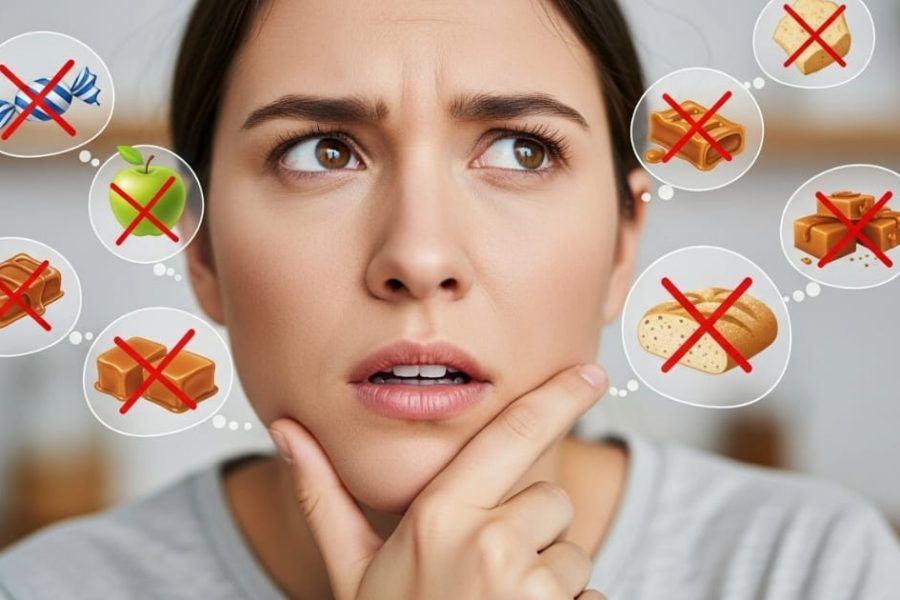
A dental crown is a vital restoration, designed to protect a damaged tooth and restore your smile’s function and aesthetic. Whether you’ve received a dental crown following a root canal, to repair a large fracture, or to cover a dental implant, it represents a significant investment in your long-term oral health. While modern dental crowns are incredibly durable, they are not indestructible, and they are particularly vulnerable in the first few hours and days after placement, highlighting the importance of what not to eat after dental crown placement.
In this guide, we will break down the specific food categories you should avoid, why they pose a threat, and the crucial distinction between caring for a temporary versus a permanent crown.

Quick Reference: Foods to Avoid After Your Dental Crown
The table below summarizes the key dietary risks, what not to eat after dental crown placement, categorized by the type of threat they pose:
| What Not to Eat After Dental Crown | Specific Examples to Avoid | Primary Risk to Crown |
| Hard/Solid Foods | Ice cubes, Popcorn kernels, Nuts (almonds, walnuts), Hard candies, Bones | Chipping, Cracking, or Fracturing the crown material. |
| Sticky/Chewy Foods | Chewing gum, Caramel, Taffy, Licorice, Sticky granola bars, Tough jerky | Dislodging the crown, especially a temporary one. Loosening permanent cement over time. |
| Acidic/Sugary Drinks | Soda/Pop, Sports drinks, Citrus juices, Alcoholic mixers | Erosion of the underlying tooth or the cement margin, leading to decay. |
| Extreme Temperatures | Boiling hot coffee/soup, Directly biting into ice cream | Can trigger severe dentin hypersensitivity (pain) in the crowned tooth. |

The Immediate Threat: Foods to Avoid with a Temporary Crown
Dental crowns are among the most common types of cosmetic dentistry. After your root canal procedure or dental implant, if your dentist placed a temporary crown, you must be extra cautious. Temporary crowns are held in place with a weaker, non-permanent cement so they can be easily removed when your permanent crown is ready. Until your permanent restoration is cemented, avoid chewing on the side of your mouth where the temporary crown is located, and follow these specific restrictions:
- Anything Sticky: They will pull the temporary crown right off.
- Tough, Chewy Foods: These can exert excessive lateral (sideways) pressure, potentially breaking or dislodging the temporary crown.
- Hard Foods: Even minor force from a hard object can crack the temporary crown material.
Read More: Root Canal Aftercare: How to Speed Up Healing and Prevent Future Problems
The Three Major Risks: Hard, Sticky, and Crunchy Foods
Once your permanent crown is placed and the cement has fully set (usually 24–48 hours), you can gradually reintroduce most foods. However, the following categories should still be approached with caution or avoided altogether if you want your crown to last for years.
1. The Crown-Crushers: Hard Foods
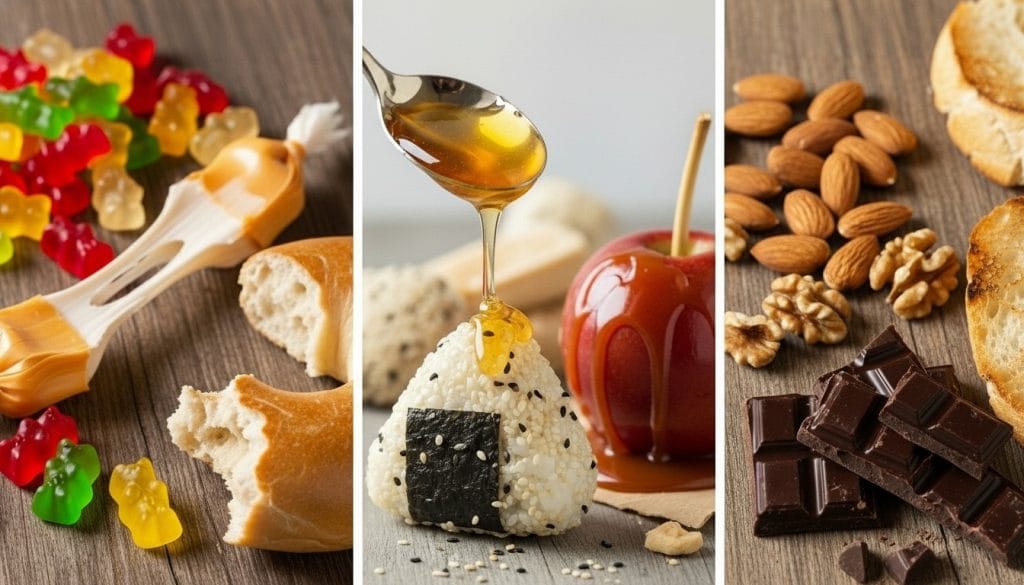
Biting down on extremely hard foods is the fastest way to crack, chip, or even fracture a porcelain or ceramic crown. Even strong materials like zirconia can be damaged by sudden, concentrated pressure.
| What Not to Eat After Dental Crown: Hard Foods | Why They’re a Threat |
| Ice Cubes | The combination of extreme cold and hardness makes the crown material rigid and vulnerable to splintering. Never chew ice. |
| Popcorn Kernels | A tiny, unpopped kernel hiding in the butter is like a small rock. Biting down on one can instantly cause severe damage. |
| Hard Candies | Lollipops, jawbreakers, or hard mints should be dissolved, not crunched. |
| Hard Nuts | Almonds, walnuts, and pistachios require a significant biting force that strains both the crown and the underlying tooth. |
2. The Pull-Away Prowlers: Sticky & Chewy Foods
Sticky and overly chewy foods can compromise the integrity of the crown’s bond with the underlying tooth, even if the cement is permanent.
| What Not to Eat After Dental Crown: Sticky & Chewy Foods | Why They’re a Threat |
| Chewing Gum | The repetitive, sticky action can loosen the crown over time. |
| Taffy, Caramel, and Gummy Candies | These foods literally grab onto the crown’s surface and pull at the margins. |
| Tough Meats | Jerky, thick cuts of steak, or tough crusts on bread require excessive, long-lasting chewing pressure that strains the jaw and the restoration. |
| Sticky Granola/Muesli | Many bars contain sticky syrups and hard nuts/seeds, making them a dual threat. |
3. The Excessive Pressure Perpetrators: Crunchy Foods
Crunchy foods require concentrated force to break down, which puts unnecessary stress on the restoration. Raw carrots and celery sticks should be steamed or thinly sliced before consumption. Hard pretzels and crispy chips should be eaten carefully and chewed away from the crown area. Hard taco shells are dangerous because they break into unpredictable, sharp shards.
Contact Us for Help!
Are you looking into getting a dental crown?
Contact us to find the best treatment option for your needs with immediate care!
The Invisible Threat: Acidic Drinks and Sugary Culprits
Your crown itself cannot decay, but the natural tooth structure underneath and the surrounding gum line remain highly susceptible to cavities, which can lead to tooth decay. This is where sugary and acidic foods pose a risk: they erode tooth structure at the crown margin, creating an entry point for bacteria and decay.
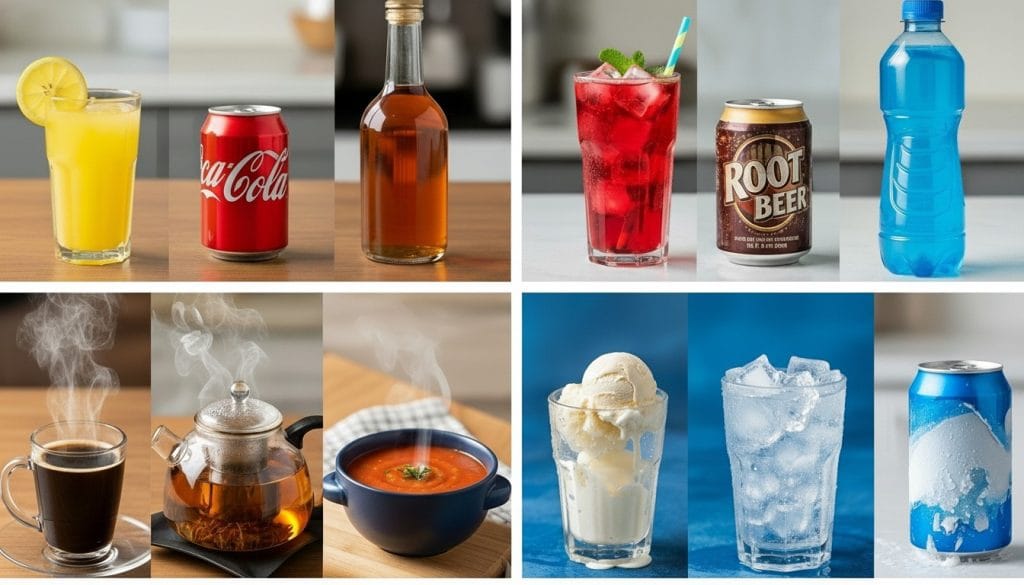
| What Not to Eat After Dental Crown: Sugary/Acidic Items | Why They’re a Threat |
| Soda and Carbonated Drinks | The acid content can slowly weaken the bonding cement over time, potentially leading to microscopic gaps where bacteria can thrive and cause a tooth abscess. |
| Sports Drinks | Often high in both sugar and acid, creating a hostile environment for the crown margins. |
| Extremely Hot or Cold Foods | While not damaging the crown, extreme temperatures can trigger dentin hypersensitivity, causing sharp, often severe pain in the crowned tooth, especially if a nerve is close to the surface. Stick to lukewarm foods and beverages. |
Read More: Foods with Amazing Advantages for Your Oral Health
Beyond Diet: Essential Care Tips for Your New Crown
Protecting your crown involves more than just avoiding food. Following these simple tips, besides knowing what not to eat after dental crown placement, will dramatically increase its lifespan:
- Chew on the Opposite Side: For the first few days, or indefinitely, if possible, use the opposite side of your mouth for chewing to minimize strain on the new crown.
- Cut Food Small: Always cut tough or large food items into small, manageable pieces to reduce the biting force required.
- Avoid Using Your Teeth as Tools: Never use your crowns (or any tooth) to open packages, tear tape, or cut thread.
- Maintain Hygiene: Brush gently around the crown and floss carefully. If you have a temporary crown, slide the floss out rather than snapping it back up, which could dislodge it.
- Regular Check-ups: Don’t forget to visit your dentist regularly for check-ups and cleanings, since regular cleanings prevent emergencies more than you think!
A Healthy Diet for A Healthy Smile!
Getting a dental crown is a major step toward a healthier, more comfortable smile. By understanding what not to eat after dental crown placement, especially the immediate vulnerability of temporary crowns and the long-term dangers of hard, sticky, and acidic foods, you are taking proactive steps to ensure your restoration lasts for years to come.
Of course, if you have any questions about your crown care or if you experience discomfort, please do not hesitate to contact the best emergency dentists in Toronto to receive the most suitable treatment for your needs.
FAQ
-
Can I brush and floss my new crown immediately?
Yes, brush gently immediately. Wait 24 hours for permanent crowns before flossing near the gumline to ensure the cement is fully set.
-
Is it normal for the crowned tooth to feel sensitive?
According to the Cleveland Clinic, dental crowns may cause teeth sensitivity, especially in the first few weeks after placement. Mild sensitivity to heat or cold for a few days is normal. If the pain is sharp, severe, or lasts longer than a week, contact your dentist.
-
Should I chew on both sides of my mouth?
Yes, eventually. Distributing chewing forces evenly across both sides helps protect all teeth and crowns from excessive wear.
-
Can I drink alcohol after the procedure?
Avoid alcohol for the first 24-48 hours, as it can interfere with healing, your dental numbing duration, and any prescribed medication.
-
What if I feel a strange high spot in my bite?
Contact your dentist immediately. A high spot can put abnormal pressure on the crown and cause pain or cracks; it requires a quick adjustment.
-
How long does the permanent cement take to fully harden?
While the crown is secured instantly, the cement needs about 24 hours to reach its maximum strength.
-
Can I use an electric toothbrush on my crown?
Yes, just ensure you use gentle pressure around the gum line of the crowned tooth.
-
What is the main sign that my crown is loose?
The main sign is a sudden shift, movement, or a weird “give” when chewing, or noticing food getting stuck easily under the tongue. Contact your dentist if you feel uneasy about your dental crown.
Have you ever had a dental crown procedure? What did your dentist recommend you eat afterwards? Share your thoughts in the comments and join the conversation.