
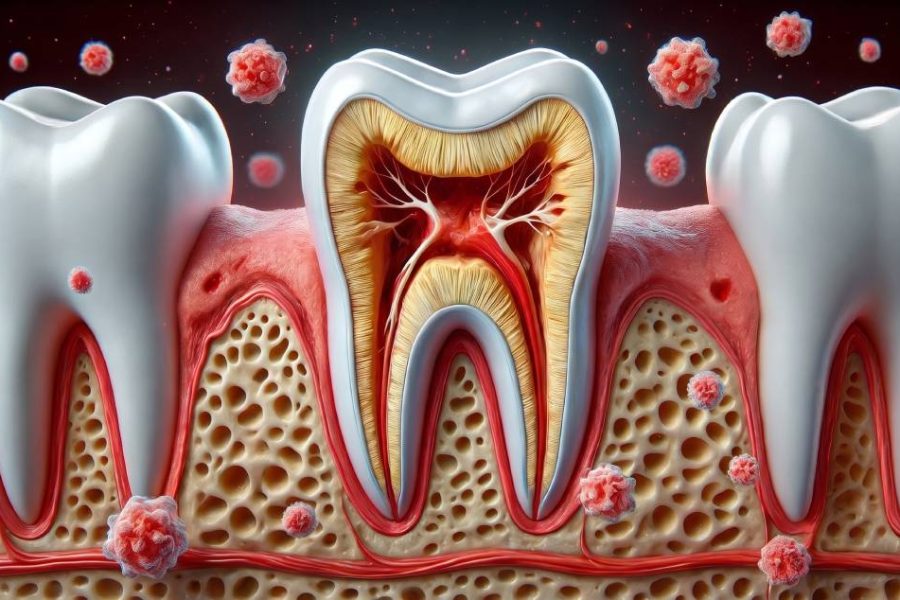
When patients come to us at Walk-In Dental Clinic, one of the most common issues we see is a tooth infection that has already been ignored for too long. A dental infection doesn’t stay local for long; once bacteria escape the tooth, they can move into the gums, jaw, and sometimes deeper spaces in the body.
In our experience, the biggest risk comes from failing to recognize early signs that a tooth infection is spreading. What starts as mild tooth pain can progress to swelling, fever, and, in severe cases, a medical emergency requiring hospital care.

What Happens When a Tooth Infection Starts to Spread
When I examine infected teeth in the clinic, I always explain to patients that the infection is not just “inside the tooth.” It behaves like a pressure-driven bacterial pocket that expands outward if untreated.
Once that pressure builds, bacteria travel through soft tissues and natural facial spaces. This is why symptoms often move from a single tooth to the jaw, face, or even the neck.
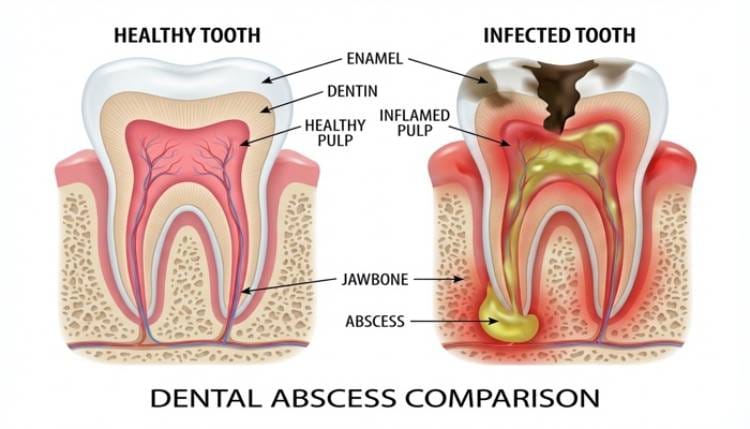
How a tooth abscess develops
A tooth abscess forms when decay, cracks, or old fillings allow bacteria to reach the tooth nerve. The body tries to fight this infection by producing pus, but because it is trapped within the hard tooth structure, the pressure continues to increase.
We often see patients assume the pain will settle on its own, but an abscess usually worsens until it is drained or treated with procedures like root canal therapy or extraction.
How infection spreads beyond the tooth
Once the abscess builds pressure, bacteria move into the surrounding gum and bone tissue. From there, infection can travel into deeper facial spaces. At this stage, patients may notice swelling in the cheek or jaw, one of the clearest early signs that a tooth infection is spreading.
Why does the delay make the condition more serious
The longer the infection remains untreated, the more pathways bacteria find to spread. What could have been managed with simple dental care may later require oral surgery or hospital-based treatment. We see this progression regularly in emergency cases.
Early Signs a Tooth Infection Is Spreading
At this stage, symptoms remain localized but are no longer stable. When patients report these changes, I always consider them indicative of an active infection rather than a simple toothache. This is important because dental infections can progress beyond the tooth and begin affecting surrounding tissues if not treated early. According to Healthline, common early signs of a spreading tooth infection include worsening pain, swelling, and the onset of systemic symptoms such as fever, which signal that the body is responding to a deeper infection.
Increasing, throbbing pain that doesn’t settle
Pain that worsens over time or spreads to the jaw or ear usually indicates increasing pressure at the site of infection. This type of pain often worsens at night and does not respond well to standard painkillers.
Swelling in the gum, cheek, or jaw area
Swelling is one of the most important physical warning signs. Even small facial puffiness can indicate that the infection has moved beyond the tooth. In the clinic, we treat facial swelling as an urgent symptom rather than a cosmetic issue.
Bad taste or pus in the mouth
If a patient reports a constant bad taste or notices drainage, this usually means the abscess is leaking. While this may temporarily reduce pain, it does not mean the infection is improving.
Pain when chewing or touching the tooth
This happens because the ligament around the tooth becomes inflamed. Patients often stop chewing on one side completely because pressure becomes unbearable.
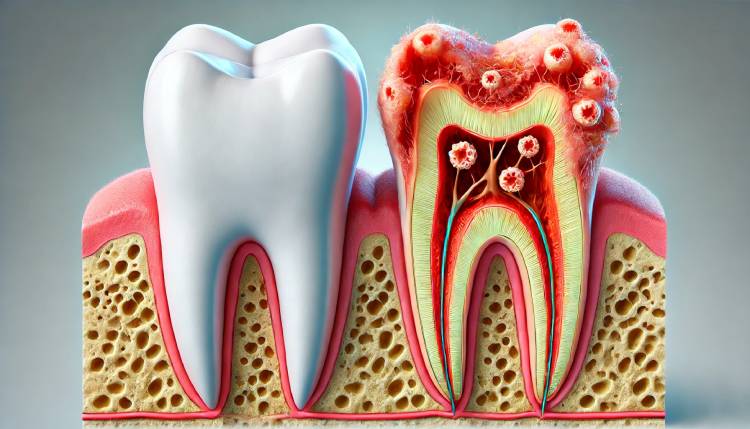
Read more: “How to Spot and Treat Infection After Dental Work Fast”
Systemic Symptoms That Indicate Infection Is Spreading
Once the infection moves beyond the tooth area, the body starts reacting systemically. These symptoms are more serious because they indicate an immune response beyond the mouth.
Fever, chills, and body weakness
When I see fever combined with dental pain, I immediately consider spreading infection. It means the body is actively fighting bacteria that are no longer localized.
Swollen lymph nodes in the neck or jaw
Lymph node swelling is the body’s filtration response to infection. Patients often feel small, tender lumps under the jaw or upper neck.
This is a clear point of escalation and one of the strongest signs that a tooth infection is spreading.
Fatigue and feeling generally unwell
Patients often describe feeling “flu-like” even without a cold. This is due to immune system activation from infection.
Read more: “How to Treat a Gum Abscess Safely”
When We Treat a Tooth Infection as an Emergency
At Walk-In Dental Clinic, we treat infections as emergencies when they show signs of systemic spread.
Immediate attention is required if patients present with:
- facial swelling spreading to the neck or eye area
- difficulty breathing or swallowing
- high fever with worsening pain
- confusion or severe fatigue
How We Treat a Spreading Tooth Infection
Treatment depends on how far the infection has progressed.
In the clinic, we typically manage cases using:
- Antibiotics to control bacterial spread
- Drainage when pus has accumulated
- Root canal treatment when the tooth can still be saved
- Tooth extraction when the infection source cannot be removed
- Oral surgery in advanced or deep infections
- Hospital referral for severe systemic cases
Procedures such as tooth extraction, root canal treatment, and sometimes wisdom tooth extraction are used to completely remove the source of infection.
Book Your Emergency Dental Appointment Today
If you are noticing any signs that a tooth infection is spreading, do not delay treatment. These symptoms can worsen quickly and lead to serious complications if left untreated.
Book an appointment with Walk-In Dental Clinic, so our team can assess your condition promptly and provide the right treatment to stop the infection at its source and protect your overall health.
How We Help Prevent Infection from Spreading
Most serious infections we treat could have been prevented with earlier care. That is why we focus heavily on prevention and early intervention.
We recommend:
- Visiting a family dentist as soon as pain starts
- Treating cavities early with tooth fillings
- Avoiding delay when swelling begins
- Maintaining daily oral hygiene routines
- Regular checkups to catch hidden infections early
We also support patients accessing care through programs like CDCP, which helps reduce financial barriers to early treatment.
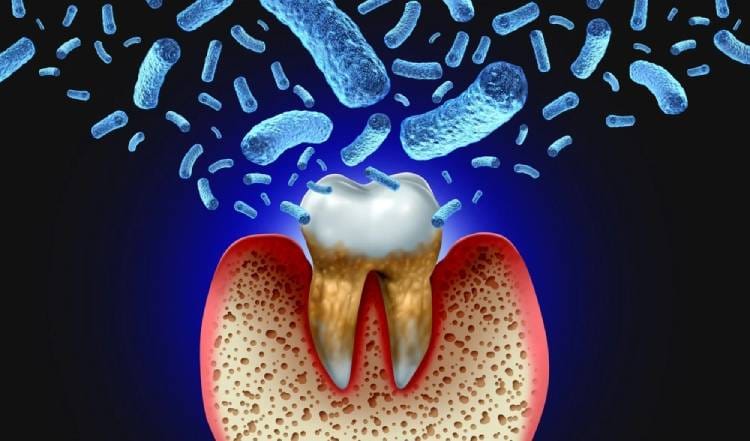
At Walk-In Dental Clinic, we provide professional dental diagnosis, treatment, and emergency care for patients with oral infections and related conditions. This article is written for educational purposes only and should not replace professional medical advice. If you are experiencing severe symptoms or suspect that your infection is spreading, we strongly advise you to seek immediate dental or medical attention.
Conclusion
From our clinical experience, the most important factor in preventing complications is early recognition of signs that a tooth infection is spreading. Once infection moves beyond the tooth, it can escalate quickly and require urgent intervention. Prompt treatment is the safest way to protect both oral and overall health.
That’s why we always encourage patients not to wait until pain or swelling becomes severe before seeking care. Early dental attention almost always leads to simpler treatment and a much safer recovery.
Read more: “All You Should Know About Tooth Decay”
FAQ
1. What are the first signs a tooth infection is spreading?
We usually see increasing pain, swelling, and sensitivity as the earliest indicators.
2. Can a tooth infection spread to other parts of the body?
Yes. In severe cases, bacteria can enter the bloodstream and affect other organs.
3. When should I go to emergency care?
If there is difficulty breathing, swallowing, or rapidly increasing swelling, it is an emergency.
If you’ve had a tooth infection or noticed any signs that a tooth infection is spreading, we’d like to hear from you. Sharing your experience can help others recognize symptoms early and seek treatment before they become serious.

