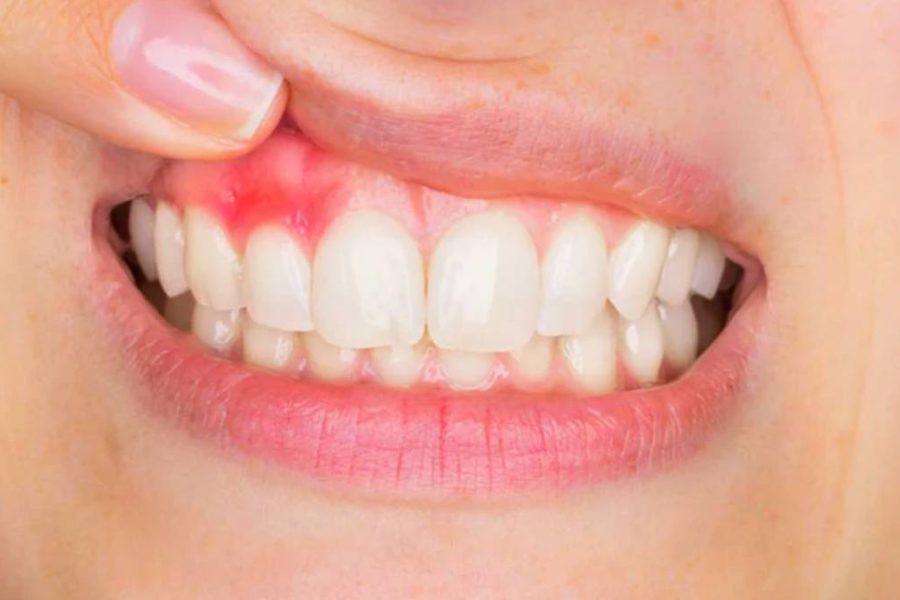
A painful swelling on the gums can quickly turn from a minor irritation into a serious dental problem. Many people try to relieve the pressure at home, but attempting to squeeze or drain the infection yourself can make the situation worse. Understanding how to treat a gum abscess safely is important because untreated infections may spread deeper into the gums, jaw, or surrounding tissues.
In this guide, we will explain what causes a gum abscess, why popping it at home is risky, the symptoms you should never ignore, and how to treat a gum abscess safely with proper professional dental care before complications develop.
What Is a Gum Abscess?
A gum infection is a pocket of pus caused by bacterial infection inside the gums or surrounding tissue. It may develop due to untreated gum disease, trapped food debris, severe plaque buildup, or an infection spreading from the tooth root.
Before looking at treatment options, it helps to understand why these infections develop and why they should always be taken seriously.

How a Gum Abscess Forms
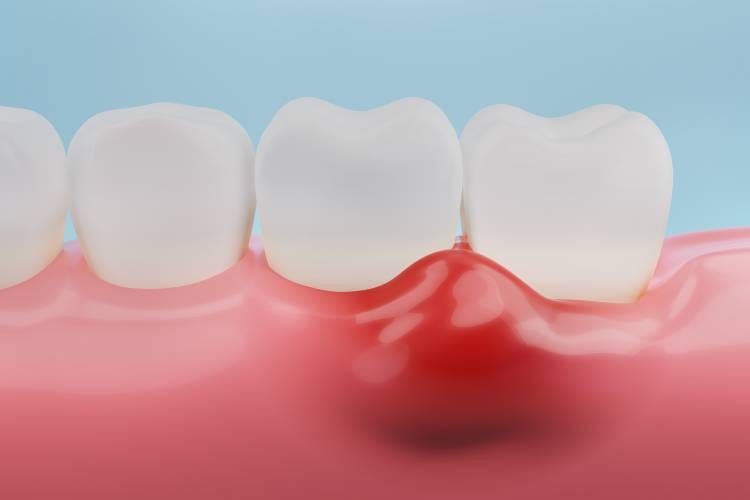
A gum infection usually develops when bacteria enter spaces beneath the gums and begin multiplying. As the body responds to the infection, pus collects inside the tissue, creating swelling, pressure, and pain.
Some infections form gradually, while others become painful very quickly, especially when gum inflammation is already present.
Difference Between a Gum Abscess and Other Dental Infections
Not all dental infections are identical. A tooth abscess often starts inside the tooth due to deep decay or nerve damage, while a periodontal abscess affects the gum tissue that supports the teeth.
Both conditions require professional treatment because bacteria can continue spreading without proper care.
Common Causes of Periodontal Abscess
Poor oral hygiene, untreated cavities, advanced gum disease, cracked teeth, or failed dental restorations can all increase the risk of infection.
Patients who delay gum disease treatment or regular dental visits may be at higher risk of developing gum infection over time.
Signs and Symptoms of a Gum Abscess
Many symptoms begin mildly before becoming more painful. Recognizing early warning signs can help patients seek treatment before the infection spreads further.
Swelling, Pain, and Pus Around the Gums
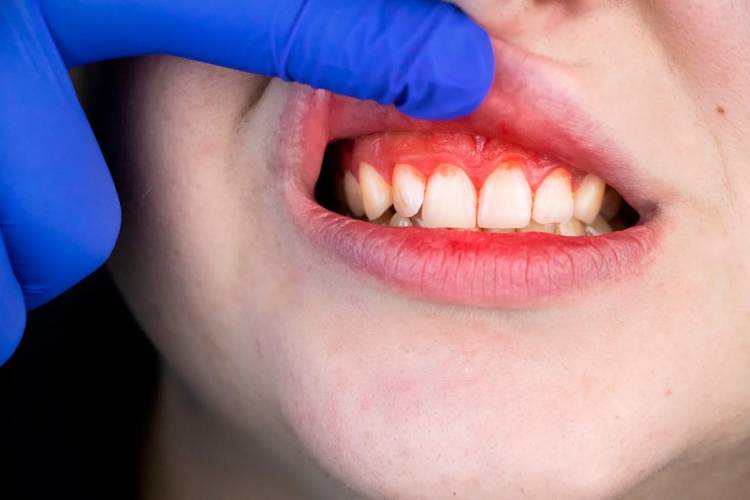
One of the most common signs is a swollen, tender bump on the gums. Some patients notice pus drainage, bleeding, or severe pressure while chewing. The area may appear red, shiny, or irritated depending on how advanced the infection becomes.
Bad Breath and Unpleasant Taste in the Mouth
Persistent bad breath from infection or a foul taste in the mouth can occur when bacteria and pus continue draining into saliva. Even frequent brushing may not fully remove the odor until the underlying infection is treated.
Fever, Facial Swelling, and Signs of Spreading Infection
More serious symptoms can include fever, facial swelling, swollen lymph nodes, or difficulty swallowing. These warning signs may indicate the infection is spreading deeper into surrounding tissues. In these situations, emergency dental care may be necessary.
Read more: “Don’t Ignore the Warning Signs.”
Why You Should Never Pop a Gum Abscess
Many people search online for ways to drain an abscessed gum at home because the pressure feels painful and uncomfortable. However, squeezing the infection yourself can create more serious complications.
Learning how to treat a periodontal abscess safely is far more effective than attempting temporary home drainage.
Risk of Spreading Bacteria and Infection
Popping an abscess can force bacteria deeper into the gums or surrounding tissues. This may worsen swelling and increase the risk of infection spreading. Improper drainage can also expose nearby healthy tissue to harmful bacteria.
Damage to Gum Tissue and Surrounding Teeth
Sharp objects or aggressive squeezing may injure delicate gum tissue. In some cases, this can create additional irritation, bleeding, or deeper infection. Complications may eventually require root canal treatment, oral surgery, or even tooth extraction if the tooth becomes severely damaged.
Why Temporary Drainage Does Not Fix the Infection
Even when pus drains and pressure improves temporarily, the bacteria causing the infection often remain beneath the surface. Without professional abscessed gum treatment, symptoms frequently return and may become more severe later.
Don’t Ignore Gum Abscess Pain
An abscessed gum can become more serious if treatment is delayed. If you are experiencing swelling, severe tooth pain, pus around the gums, or signs of infection, professional dental care can help prevent complications and protect your oral health. Contact Walk In Dental Clinic today to schedule an evaluation and get the treatment you need before the infection worsens.
Can a Gum Abscess Become Dangerous?
Most dental infections are manageable when treated early. However, delaying treatment increases the risk of complications.
Understanding how to treat a periodontal abscess safely can help patients avoid more serious oral health problems later.
How Untreated Gum Infections Can Worsen
An untreated dental abscess may spread into deeper gum tissue, nearby teeth, or jaw structures. Ongoing infection can lead to worsening pain, swelling, and damage to supporting bone. The longer the treatment is delayed, the more difficult recovery may become.
Possible Complications of Severe Dental Infections
According to the Cleveland Clinic, severe periodontal abscesses can damage the gum and bone structures supporting the teeth if left untreated.
Advanced infections sometimes require surgical drainage, root canal therapy, or removal of the affected tooth.
When a Periodontal Abscess Becomes a Dental Emergency
You should contact an emergency dentist immediately if you experience:
- difficulty swallowing
- severe facial swelling
- fever with intense dental pain
- rapidly worsening infection
- swelling near the jaw or neck
Patients worried about emergency dental costs should still seek prompt care, as delaying treatment may lead to more complex and expensive procedures later.
What to Do If a Gum Abscess Pops on Its Own
Sometimes an abscessed gum drains naturally because pressure inside the tissue becomes too strong. While this may temporarily reduce discomfort, the infection itself may still remain active.
This is why understanding how to safely treat a gum infection after drainage remains important.
How to Rinse and Keep the Area Clean
Rinse gently with warm salt water several times daily to help clean the area. Avoid squeezing, poking, or aggressively brushing the infected gums.
Continue normal teeth-cleaning and dental hygiene routines while being gentle around the affected area.
Why You Still Need Professional Dental Treatment
Natural drainage does not eliminate the source of infection. A dentist still needs to determine the cause of the abscess and whether deeper treatment is necessary. Ignoring symptoms after drainage can allow bacteria to continue spreading below the surface.
Signs the Infection May Still Be Active
Persistent swelling, drainage, fever, pain, or pressure may indicate ongoing infection. A family dentist can evaluate whether additional treatment is needed to fully control the infection.
Professional Gum Infection Treatment
Professional care focuses on safely removing the infection while protecting nearby teeth and gums. Treatment depends on the severity and source of the infection.
Drainage and Deep Cleaning
Dentists may carefully drain the abscess under sterile conditions and clean infected areas beneath the gums. Deep cleaning can help remove plaque and bacteria contributing to the infection.
Antibiotics and Infection Management
Antibiotics may sometimes be prescribed when swelling spreads or systemic symptoms develop. However, antibiotics alone usually do not completely resolve the infection without dental treatment.
Root Canal Treatment or Tooth Extraction When Necessary
If the infection reaches the inner pulp of the tooth, root canal treatment may help save the tooth. In severe cases where the tooth cannot be restored, tooth extraction may become necessary to prevent ongoing infection.
Read more: “Tooth Abscess North York.”
How to Prevent Abscessed Gum
Many gum infections are preventable with consistent oral hygiene and early dental care. Preventive treatment is often much easier than managing a severe infection later.
Daily Brushing and Flossing Habits
Good brushing and flossing habits help reduce plaque buildup and bacteria around the gums. Consistent oral care lowers the risk of developing serious infections.
Regular Dental Exams and Cleanings
Routine dental visits help identify early signs of gum disease, decay, or infection before complications develop.
Professional cleanings remove hardened plaque that normal brushing may miss.
Treating Cavities and Gum Disease Early
Treating small dental problems early helps reduce the risk of future infection. Children and adults alike benefit from preventive care provided by a trusted children’s dentist or general dental provider.

Professional Dental Services
At Walk In Dental Clinic, patient care is based on individual oral health needs and professional clinical evaluation. The clinic provides comprehensive dental services, including emergency dental care, gum disease treatment, root canal treatment, tooth filling procedures, preventive care, oral surgery, family dentistry, and other professional dental services. This article is intended for educational purposes only and should not replace diagnosis, emergency assessment, or personalized treatment recommendations from a licensed dental professional.
Conclusion
Understanding how to treat a gum infection safely is important because these infections rarely resolve completely on their own. While draining or popping an abscess at home may provide quick relief, it can spread bacteria and delay proper treatment. According to Healthline, untreated gum abscesses can worsen over time and may allow infection to spread to nearby tissues if professional dental care is delayed.
Early treatment is often simpler, less invasive, and more effective than waiting until the infection becomes severe or affects surrounding teeth and gums. If you notice swelling, pus, severe pain, fever, or signs of infection spreading, seeking professional dental care promptly is the safest way to protect your oral health and avoid more serious complications later.
Read more: “Root Canal Side Effects Explained.”
FAQ
1. What does a gum infection look like?
An abscessed gum often appears as a swollen red bump on the gums that may contain pus or feel painful to touch.
2. Is an abscessed gum dangerous?
It can become serious if left untreated, especially if the infection spreads to nearby tissues or causes severe swelling.
3. What happens if a gum infection bursts on its own?
Pressure may temporarily improve, but the underlying infection often remains and still requires treatment.
4. What is the fastest way to relieve gum abscess pain?
Warm saltwater rinses may help temporarily, but professional dental treatment is the safest and most effective solution.
Have you ever experienced a gum abscess or sudden gum swelling? Share your experience, symptoms, or treatment journey in the comments to help others better understand the warning signs and when to seek dental care.