
Dental procedures, whether a simple dental filling appointment, a root canal, or a tooth extraction, are designed to restore dental health and relieve pain. Some discomfort, tenderness, or swelling is normal after such procedures, especially during the first few days of healing. However, infection after dental work is a serious complication that should not be ignored. In this article, we will explain how to recognize early warning signs such as swelling, pain, or discharge, discuss the causes of dental infections, and outline effective treatment and prevention strategies to ensure a safe recovery.
At Walk In Dental Clinic in North York, Toronto, our experienced emergency dentists and dental care team provide same‑day care and evaluation for infection and related complications following dental procedures.
What Causes Infection After Dental Work?
Infections develop when harmful bacteria enter the treated area and overwhelm the body’s immune defenses. This is more likely when oral bacteria are allowed to penetrate tissue during or after a procedure, especially if proper care isn’t taken. Understanding these causes helps patients avoid infection and seek care quickly when needed.
Bacterial Entry During or After Procedures
After oral surgery, extractions, or deep restorations like root canals, there are temporary openings in the mouth’s protective barriers. These openings, whether in gums, bone, or the inner parts of a tooth, can allow oral bacteria to enter and multiply if not managed correctly.
Poor wound care, contamination during healing, or bacteria already present in plaque can lead to infection at the site. Even with skilled dental professionals, this risk exists unless aftercare is followed diligently.
Poor Oral Hygiene
Inadequate dental hygiene, including brushing and flossing around a healing site, allows plaque buildup and bacteria to thrive. Post‑procedure sites are especially vulnerable because tissues are already compromised and more susceptible to bacterial invasion, a common pathway to infection.
Weakened Immune Response
Some patients have medical conditions (like diabetes) or are taking medications that suppress immune function. A reduced ability to fight infection delays healing and increases susceptibility to complications after dental work.
Read more: “Emergency Dental Costs in Ontario”
Common Signs of Infection After Dental Work
Not all discomfort after a dental procedure signals infection. However, certain symptoms should raise concern, especially if they persist or worsen over time. In this section, we will cover the main signs to look for and help you distinguish normal healing from infection.
Persistent or Worsening Pain
Mild pain and sensitivity are common immediately following procedures. But if pain intensifies or does not begin to improve within 48–72 hours, especially with a throbbing quality, this may indicate an infection rather than normal healing.
Swelling and Redness
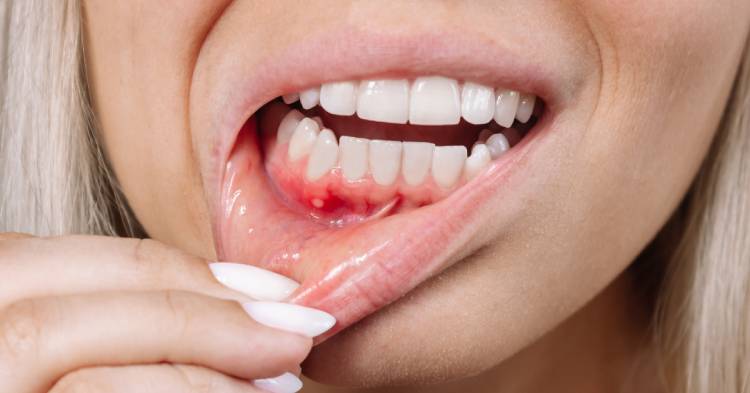
A small degree of swelling shortly after treatment is expected, but spreading swelling of the face or gums, especially when accompanied by warmth or redness, can signal an underlying bacterial infection.
Pus or Discharge
The presence of pus, often accompanied by a bad taste or smell, is a clear sign of infection, usually from an abscess. This accumulation of infectious material cannot be resolved without professional care.
Fever and Fatigue
Systemic symptoms like fever, chills, or general fatigue suggest the infection may be spreading beyond the initial site of dental work. This warrants urgent evaluation by a dental or medical professional.
Difficulty Opening Mouth or Swallowing
These advanced symptoms suggest the infection may be affecting deeper tissues or spreading into surrounding spaces, a medical emergency requiring prompt attention.
Read more: “Get Wise about Wisdom Teeth”
Infection vs Normal Healing: How to Tell the Difference
It’s common for patients to confuse normal post-procedure discomfort with infection. In this section, we explain what is expected during healing versus what should alert you to complications.
Normal Post‑Procedure Symptoms
During the first few days after a dental procedure, you might expect:
- Mild swelling
- Slight bleeding or oozing
- Tenderness in the treated area
These symptoms typically peak within the first 48 hours and gradually improve.
Warning Signs of Complications
Conversely, if your symptoms include:
- Increasing pain after initial improvement
- Persistent swelling that does not decrease
- Pus or foul discharge
…it’s likely that infection or another complication is present and needs professional evaluation.
Don’t Wait, Protect Your Oral Health Today
If you notice any signs of infection after dental work or are experiencing persistent pain, swelling, or discomfort, book an appointment with our emergency dentists in North York today. Early treatment can prevent complications and ensure a smooth recovery. Call now or visit our clinic to get the care you need.
Infection After Tooth Extraction: Special Considerations
Tooth extraction, including wisdom tooth removal, is one of the most common dental procedures associated with post‑operative infection, often linked to a condition called dry socket. In this section, we explain what to watch for after an extraction.
What Is Dry Socket?
Dry socket or alveolar osteitis occurs when the protective blood clot at the extraction site is dislodged or dissolves prematurely. With the bone exposed, pain intensifies and the risk of bacterial infection increases.
Signs of Extraction Infection
Symptoms that may signal infection include:
- Severe pain started a few days after the extraction
- Persistent swelling
- Pus at the extraction site
- Fever
Unlike dry socket, which has intense pain but without pus, infection typically produces visible discharge and systemic symptoms.
How to Treat Infection After Dental Work
Early treatment prevents the spread of bacteria and protects both oral and overall health. This section outlines effective professional and at-home interventions.
Antibiotics and Medications
Dentists often prescribe antibiotics to control bacterial infection. While antibiotics help slow and eliminate infection, they do not repair tissue damage or drain abscesses on their own.
Professional Dental Treatment
Depending on the nature of the infection:
- The dentist may drain pus to relieve pressure
- Perform a cleaning or debridement of the infected area
- Conduct follow‑up procedures like root canal therapy
- Extract damaged teeth if they are beyond repair
For example, a dental abscess, a pocket of pus due to infection, must be drained and treated promptly, as it will not resolve without clinical intervention.
At‑Home Care Support
Supportive care at home can help comfort the area:
- Warm saltwater rinses
- Maintaining good oral hygiene
- Avoiding irritants like smoking and alcohol
However, home remedies alone cannot cure a true infection and should never replace professional treatment.
How to Prevent Infection After Dental Procedures
Prevention starts with proper aftercare and consistent oral hygiene. In this section, we highlight practical strategies to minimize risk.
Follow Post-Procedure Instructions
Your dentist will provide care instructions tailored to the treatment you received. These may include:
- Avoiding vigorous rinsing or spitting
- Refraining from smoking
- Using prescribed oral rinses
Following these exactly reduces infection risk.
Maintain Good Oral Hygiene
Careful brushing around healing areas (once cleared by your dentist) and regular flossing reduce plaque accumulation and bacterial load.
Avoid Risky Habits
Smoking and consuming hard or sticky foods too soon after dental work can disturb healing tissues and elevate infection risk.
Professional Guidance on Patient Care
Our professional team at Walk In Dental Clinic offers a range of patient‑related emergency dental care services, including treatment for infections after dental procedures, dental abscess management, root canal therapy, tooth extraction, and routine oral care. These services are intended to support patient health and recovery, but this content is educational and should not replace professional medical advice or diagnosis. Always consult a qualified dentist or healthcare provider for personalized treatment plans and decisions.

When to Seek Immediate Dental Care
According to an article published by the National Center for Biotechnology Information, “bacterial infections in the mouth can spread beyond dental structures and lead to systemic complications if not treated promptly, highlighting the importance of recognizing and treating oral infections early.
If you notice any combination of the following after dental work, contact an emergency dentist or family dentist immediately:
- Worsening pain that does not improve
- Fever or chills
- Pus or bad taste
- Trouble swallowing or breathing
The sooner you are evaluated, the better the outcome.
Protect Your Smile by Acting Early
Infection after dental work is uncommon, but important to take it seriously. By understanding the signs, such as persistent pain, swelling, fever, or pus, and seeking professional care promptly, you can prevent complications and ensure a smoother recovery. From antibiotics and drainage to professional cleaning and supportive at-home care, effective treatment is available. Don’t wait until symptoms worsen; early action safeguards both your oral health and overall well-being.
Read more: “Tooth Abscess North York”
FAQ
1. How do I know if I have an infection after dental work?
Look for increasing pain, swelling, fever, discharge of pus, or difficulty opening your mouth, signs that differ from normal healing.
2. How long after dental work can an infection occur?
Infections can occur within a few days to up to a week after the procedure.
3. Can a dental infection go away on its own?
No true dental infections rarely resolve without treatment and can spread if ignored.
Have you ever experienced swelling or discomfort after a dental procedure? Share your experiences or questions below. Our dental experts at Walk In Dental Clinic are here to provide guidance and help you understand when it’s time to seek professional care!