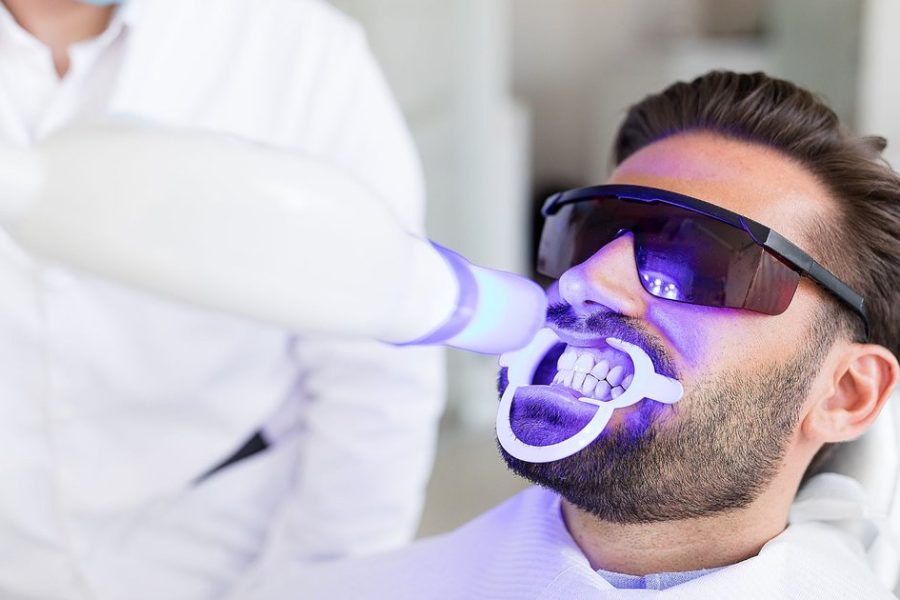
A brighter smile after teeth whitening can dramatically improve confidence, but what you eat immediately afterward plays a major role in how long your results last. Many patients are surprised to learn that teeth become temporarily more vulnerable to stains following a whitening treatment. During professional whitening, bleaching agents such as hydrogen peroxide or carbamide peroxide penetrate the tooth enamel to break down deep discoloration.
The first 24–48 hours after whitening are especially important. Choosing the right foods helps protect your whitening results, reduce tooth sensitivity, and prevent color reabsorption. In this guide, we explain why diet matters, highlight the foods after teeth whitening you should avoid, and share dentist-recommended aftercare tips to maintain a brighter smile longer.

Why Diet Matters After Teeth Whitening
After a whitening procedure, enamel undergoes temporary structural changes that affect how teeth interact with food and beverages. Understanding this process helps explain why dentists emphasize dietary precautions.
How Whitening Temporarily Opens Enamel Pores
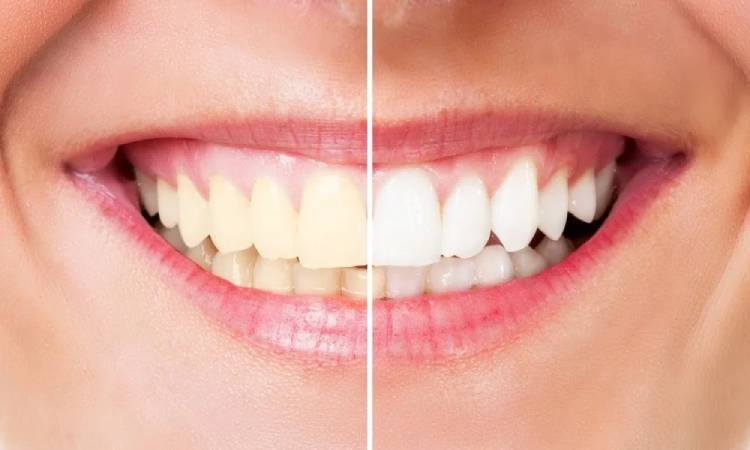
Whitening gels work by releasing oxygen molecules that lift surface stains from enamel. During this process, microscopic enamel pores become more open, allowing stain particles to penetrate more easily before teeth fully remineralize through saliva.
Because of this temporary condition, highly pigmented foods can quickly reverse whitening results if consumed too soon after treatment.
Why Stains Absorb Faster After Treatment
Immediately after whitening, teeth experience increased color absorption. Dark beverages and sauces contain chromogens, intensely colored molecules that bond easily to enamel when it is more porous.
This is why dentists often recommend avoiding certain foods after teeth whitening rather than permanently restricting the diet.
Tooth Sensitivity and Dehydration Effect
Temporary enamel dehydration may also lead to mild sensitivity. Acidic or strongly colored foods can aggravate discomfort and interfere with the natural remineralization of saliva, slowing recovery.
Following proper post-whitening care helps enamel regain strength while protecting the cosmetic results achieved during the dental procedure.
Read more: “Does Insurance Cover Teeth Whitening? A Complete 2026 Guide”
5 Foods You Shouldn’t Eat After Teeth Whitening
Not all foods affect whitening results equally. The biggest concern among foods after teeth whitening is deeply pigmented or acidic items that can stain or weaken enamel during early healing. Below are the most common foods dentists advise avoiding after teeth whitening.
1. Coffee and Tea
Coffee and tea are among the leading causes of tooth staining. They contain tannins, which increase pigment adhesion to enamel. Because enamel pores remain open after whitening, these drinks can quickly cause discoloration.
Patients wondering what not to eat after teeth whitening should consider delaying coffee intake for at least 48 hours or using a straw afterward to minimize contact with the teeth.
2. Dark Sauces and Spices
Soy sauce, curry, balsamic vinegar, and tomato sauce contain intense pigments that can rapidly stain enamel. These foods combine strong colorants with acidity, increasing the risk of stain penetration.
Switching to lighter sauces during your whitening recovery diet helps preserve brightness while enamel stabilizes.
3. Red Wine and Colored Beverages
Red wine contains chromogens, tannins, and acids, a combination particularly harmful after whitening. Dark sodas and colored sports drinks create similar risks.
These beverages not only stain teeth but may also increase enamel sensitivity. Avoiding them is one of the most important steps in teeth whitening aftercare.
4. Berries and Deep-Colored Fruits
Blueberries, blackberries, cherries, and pomegranates contain natural dyes that easily attach to enamel. Although nutritious, their strong pigments can compromise whitening outcomes during the early recovery phase.
Dentists often recommend choosing bananas or peeled apples instead while following a white diet after whitening.
5. Acidic Foods and Soda
Citrus fruits, vinegar-based foods, and soda temporarily weaken enamel by lowering oral pH. Acid exposure makes enamel more susceptible to stains and irritation. Reducing acidic intake during recovery supports enamel healing and helps maintain whitening results longer.
Get Expert Advice for a Brighter Smile
Thinking about teeth whitening or unsure how to maintain your results safely? Our professional team at Walk In Dental Clinic is here to provide personalized guidance and treatment options tailored to your smile.
What You Can Eat Instead
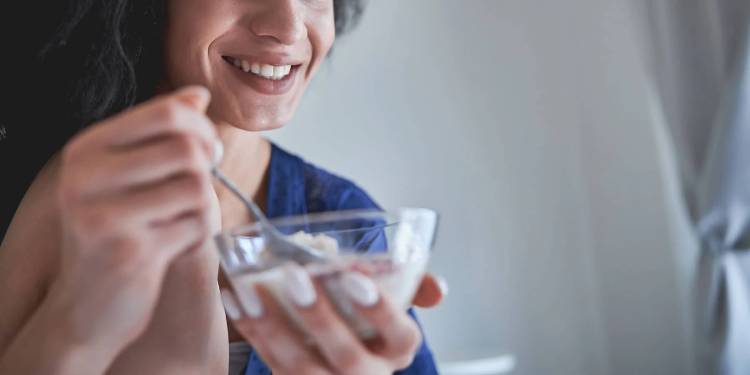
Avoiding staining foods does not mean limiting nutrition. Many safe options can protect enamel while supporting recovery and are recommended as ideal foods after teeth whitening. The “white diet” refers to foods that contain minimal pigmentation, such as chicken, white fish, rice, pasta, eggs, yogurt, milk, tofu, potatoes, and plain bread. These foods reduce the risk of staining while enamel pores close naturally.
Patients who follow this approach during the first two days after treatment often notice longer-lasting whitening results. Maintaining good dental hygiene alongside dietary choices further improves the stability of outcomes.
Many patients first learn about whitening during routine visits with their family dentist, where personalized aftercare recommendations are provided based on enamel sensitivity and lifestyle habits.
Read more: “Teeth Whitening for Smokers: What Is the Most Effective Option?”
How Long Should You Avoid Staining Foods?
Most dentists recommend avoiding staining foods after teeth whitening for at least 24–48 hours. This window gives enamel time to rehydrate and become less likely to absorb pigments. If you experience higher sensitivity or have had a stronger whitening treatment, your dentist may suggest extending these precautions for a few extra days.
Whitening agents like hydrogen peroxide and carbamide peroxide can temporarily permeate enamel, which is why early aftercare matters. According to the American Dental Association, these bleaching agents can readily permeate dental hard tissues, so being cautious with dark and acidic foods right after treatment helps protect your whitening results.
Our Approach to Teeth Whitening Care
Teeth whitening treatments can vary between clinics depending on the methods used and each patient’s oral health condition. For this reason, whitening should begin with proper assessment and professional guidance rather than moving directly into treatment, ensuring the procedure is both safe and effective for long-term results.
At Walk-In Dental Clinic, our professional dentists in Toronto typically start the process with a consultation and evaluation, so patients receive personalized advice before any cosmetic procedure is recommended. The information in this article is meant for general education, and individual care decisions should always be made in consultation with a qualified dental professional based on personal oral health needs.
Tips to Maintain Your Whitening Results Longer
Protecting your whitening results goes beyond avoiding certain foods after teeth whitening for just a few days. Daily habits such as staying hydrated and rinsing your mouth with water after meals help wash away pigments and support natural enamel remineralization.
Using a straw for darker beverages and maintaining consistent oral hygiene can significantly reduce the formation of new stains. Avoiding smoking is also important, as tobacco quickly contributes to discoloration and shortens whitening longevity.
Regular dental visits allow your dentist to monitor your oral health and maintain the brightness of your smile over time. Depending on your goals, additional cosmetic options such as dental veneers may also be discussed to enhance and preserve your smile.
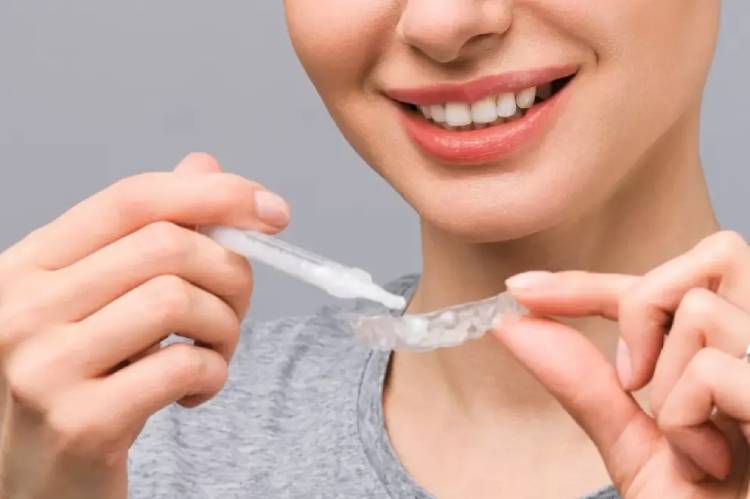
Protecting Your Whitening Results the Right Way
Teeth whitening success depends not only on the treatment itself but also on the habits followed afterward. During the first days after whitening, enamel is more sensitive to pigments and acids, making dietary choices especially important for preserving brightness and preventing new stains from forming.
By understanding which foods after teeth whitening should be avoided and following dentist-recommended aftercare guidance, patients can extend the longevity of their results. Consistent oral hygiene, mindful eating habits, and regular professional dental care work together to support a brighter, healthier smile long after the whitening procedure is complete.
FAQ
1. Can I drink coffee after teeth whitening?
It is best to avoid coffee for at least 48 hours to prevent staining.
2. What is the white diet?
A temporary diet of light-colored foods that helps prevent pigment absorption after whitening.
3. Does whitening damage enamel?
No. Whitening temporarily increases enamel porosity but does not permanently damage healthy enamel when performed professionally.
Have you recently had teeth whitening or are you planning to brighten your smile soon? Share your experience or aftercare tips in the comments. We’d love to hear your thoughts and help others maintain their results!