
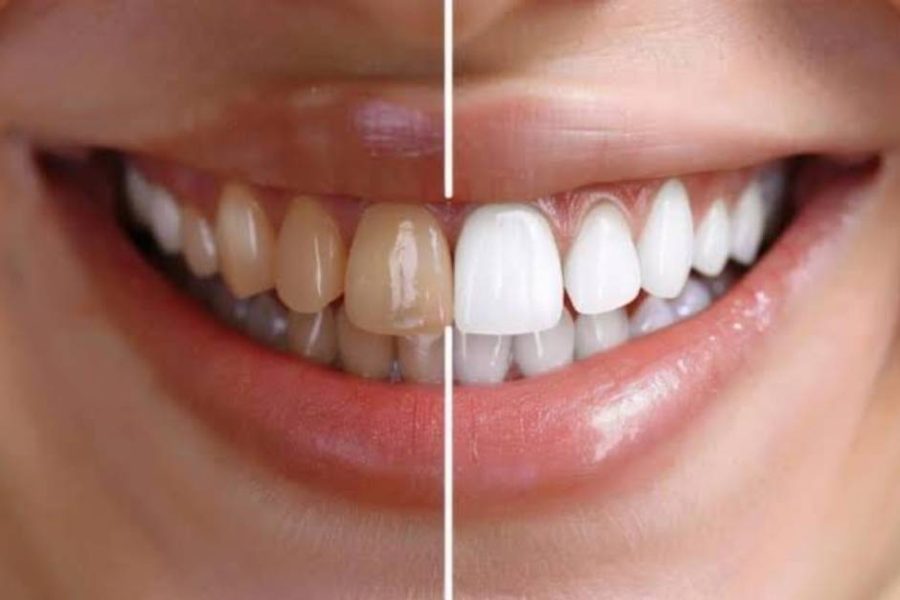
One of the most common cosmetic concerns we hear from patients is, “Why do my front fillings look darker than my teeth?” This question often comes up after a patient has completed a whitening treatment and notices that their natural teeth have become brighter while their fillings remain the same shade.
If you’re researching how to whiten fillings on front teeth, it’s important to understand one key fact: dental fillings do not respond to whitening products the same way natural teeth do. This can create a noticeable color difference, especially when fillings are located on highly visible front teeth.
In our practice, we frequently help patients improve the appearance of discolored or mismatched front fillings through a combination of professional assessment, cosmetic treatment planning, and modern restorative techniques. In this guide, we explain why front fillings become discolored, whether whitening treatments work on them, and what options are available if you’re considering whitening fillings on front teeth for a more uniform smile.

Can Fillings on Front Teeth Be Whitened?
The answer differs depending on whether we’re talking about natural tooth structure or restorative materials. Before exploring treatment options, it’s important to understand how whitening products interact with different dental materials and why front-tooth fillings behave differently from enamel.
The Short Answer
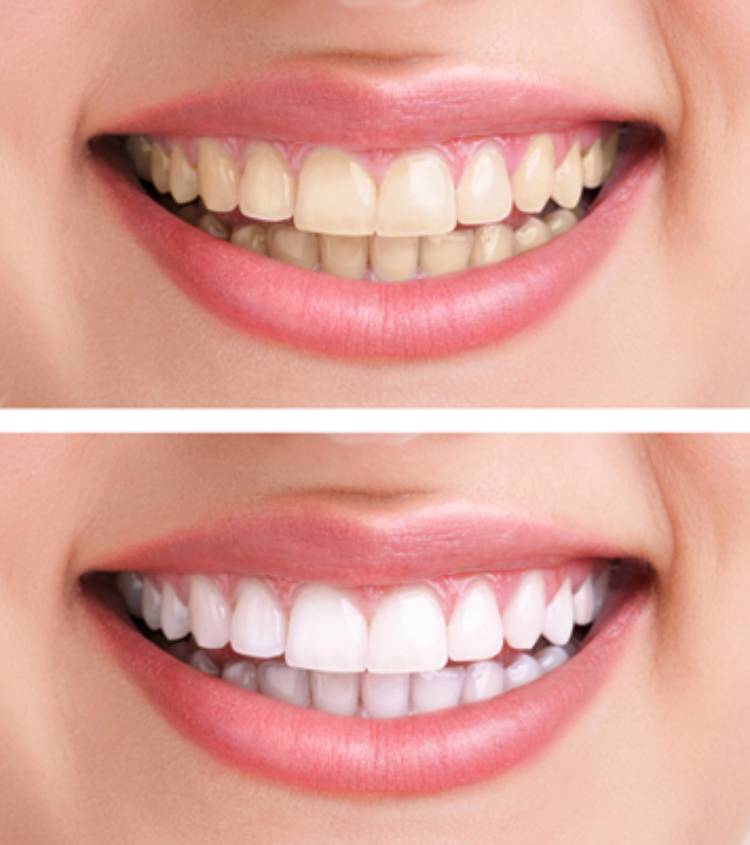
No, most composite resin fillings cannot be whitened in the same way as natural teeth. Professional whitening treatments and over-the-counter products are designed to lighten the color of tooth enamel and dentin. These treatments do not alter the shade of composite materials used in modern tooth fillings.
However, this does not mean all hope is lost. In some cases, superficial stains on a filling can be reduced with professional polishing. If the discoloration is more significant, replacing the filling with a new restoration that matches the surrounding teeth is often the best solution.
Patients searching for front tooth filling whitening are usually trying to achieve a more consistent smile appearance rather than literally changing the color of the filling itself. Fortunately, cosmetic dentistry offers several ways to accomplish this goal.
Why Natural Teeth and Fillings Respond Differently
Natural teeth contain enamel and dentin, which can absorb whitening agents such as hydrogen peroxide or carbamide peroxide. These ingredients penetrate the tooth structure and break apart stain molecules that have accumulated over time.
Composite fillings are different. They are made from engineered materials designed to mimic the appearance of natural teeth while restoring damaged areas. Because they lack the same porous structure as enamel, whitening agents cannot penetrate them as readily.
As a result:
- Natural teeth may become several shades lighter.
- Existing fillings remain unchanged.
- A noticeable color mismatch may develop after whitening.
- Older fillings may appear darker once surrounding teeth brighten.
This is one of the main reasons dentists often recommend completing whitening treatment before replacing visible front fillings.
Read more: “5 Foods That Can Ruin Your Teeth Whitening Results”
Why Front Tooth Fillings Become Discolored
Patients often assume that a dark filling automatically needs to be replaced, but that’s not always the case. Understanding why discoloration occurs helps determine whether polishing, repair, or replacement is the most appropriate treatment. Several factors can affect the appearance of front fillings over time.
Surface Stains From Food and Drinks
Just like natural teeth, composite fillings can collect surface stains from daily habits.
Common staining sources include:
- Coffee
- Tea
- Red wine
- Cola beverages
- Curry and strongly pigmented foods
- Dark berries
- Certain sauces
Over months and years, these pigments can accumulate on the surface of both teeth and fillings. Although whitening products may improve the appearance of surrounding enamel, they generally do not remove deeper staining within the filling material.
Patients who frequently consume staining foods and beverages may notice that their fillings lose their original brightness faster than expected.
Aging of Composite Resin Materials
Modern composite materials are durable, but they are not completely immune to aging. Over time, composite resin can undergo subtle physical and chemical changes that affect its appearance. Factors such as exposure to moisture, dietary acids, temperature changes, and normal wear can gradually alter how light reflects off the filling.
This process may lead to:
- Yellowing
- Darkening
- Loss of translucency
- Reduced brightness
Even well-maintained fillings can experience some degree of color change after several years.
Wear and Loss of Surface Polish
When a filling is first placed, it is carefully polished to create a smooth, glossy surface that closely resembles natural enamel. Over the years, normal chewing forces can wear away this polished layer. A rougher surface develops, making it easier for stains and plaque to accumulate.
This roughness may cause fillings to appear:
- Duller
- More opaque
- Less reflective
- Darker than adjacent teeth
In some situations, professional polishing can restore part of the original appearance without requiring replacement.
Tobacco-Related Staining
Smoking and other tobacco use remain among the most significant causes of staining in dentistry. Tobacco contains tar and pigments that readily attach to dental surfaces. These substances can discolor both natural teeth and composite restorations, often producing yellow, brown, or gray discoloration.
Patients who smoke frequently may notice that staining develops more rapidly and becomes more difficult to remove over time.
Read more: “Teeth Whitening for Smokers”
Why Teeth Whitening Doesn’t Work on Fillings
This is often the most misunderstood aspect of whitening fillings on front teeth. Many people invest in whitening strips, whitening toothpastes, or professional bleaching treatments, expecting their fillings to lighten along with their teeth. Understanding how whitening works helps explain why these expectations are often unrealistic.
How Whitening Agents Work on Enamel
Professional whitening treatments rely primarily on hydrogen peroxide or carbamide peroxide. These whitening compounds penetrate the enamel and reach the dentin underneath. Once inside the tooth structure, they break down stain molecules into smaller particles that reflect less light and appear less colored. This process allows natural teeth to appear noticeably brighter while preserving tooth structure.
Depending on the treatment method, many patients can achieve improvements of several shades under professional supervision.
Why Composite Fillings Cannot Be Bleached
Composite fillings do not contain enamel or dentin. Instead, they consist of resin and filler particles specifically engineered for strength and aesthetics. Because whitening products cannot penetrate this material, they cannot alter the filling’s original shade.
For this reason:
- Whitening strips do not whiten fillings.
- Professional bleaching does not whiten fillings.
- Whitening toothpastes do not change the internal color of fillings.
- Whitening trays do not lighten composite restorations.
This is why patients seeking how to whiten fillings on front teeth often end up needing a cosmetic restoration rather than additional whitening treatment.
What Happens After Whitening Natural Teeth
When whitening treatment is successful, natural teeth become brighter while fillings stay the same shade. This may create a visible mismatch, particularly on front teeth that are exposed when smiling or speaking.
In many cosmetic cases, we recommend the following sequence:
- Complete professional teeth whitening.
- Allow the final shade to stabilize.
- Evaluate existing front fillings.
- Replace visible fillings if necessary to match the new tooth color.
This approach produces a more predictable and aesthetically pleasing result than replacing fillings before whitening.
What Are Your Options for Improving the Appearance of Front Fillings?
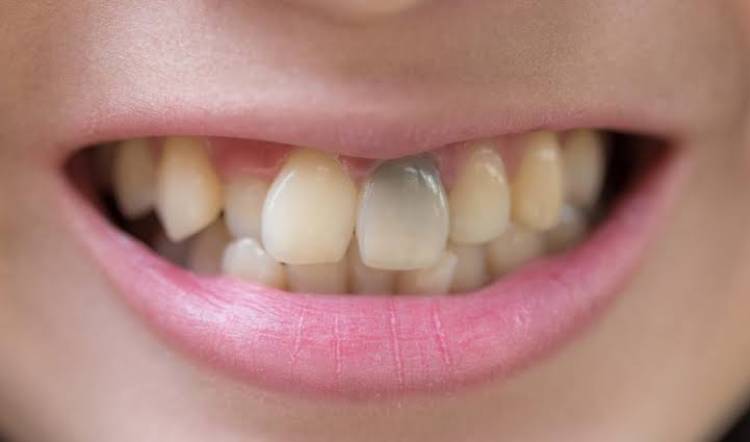
If your filling no longer matches the surrounding teeth, the best solution depends on the cause of the discoloration. Some fillings have only surface staining, which can often be improved with professional cleaning or polishing, while others show deeper, permanent color changes within the composite material and are better managed with replacement. Research indexed in PubMed also supports the idea that composite discoloration can result from both external staining and internal material changes over time, meaning not all cases can be reversed with simple whitening or cleaning alone.
When evaluating patients interested in whitening fillings on front teeth, we consider the age of the filling, its condition, the extent of discoloration, and any underlying structural concerns. Here are your other options for improving the appearance of front fillings.
Professional Polishing for Surface Stains
Not every stained filling needs to be replaced. When discoloration is limited to the outer surface, professional polishing may significantly improve the appearance of the restoration. During this procedure, we use specialized polishing instruments to remove superficial stains and restore a smoother, shinier surface.
Professional polishing may be effective when:
- The filling is structurally sound.
- Staining is relatively recent.
- The filling still matches the surrounding teeth reasonably well.
- The discoloration is mainly external rather than internal.
However, polishing has limitations. It cannot change the original shade of a filling or reverse internal discoloration that develops within the material over time.
Replacing Old Composite Fillings
When a filling has become noticeably darker, yellowed, or mismatched, replacement is often the most predictable cosmetic solution.
Replacing composite fillings allows us to select a new shade that matches your current tooth color. Modern shade guides and advanced restorative materials make it possible to create highly natural-looking results, particularly on front teeth.
Replacement may be recommended when:
- The filling no longer matches the surrounding teeth.
- Internal discoloration has developed.
- The restoration is chipped or worn.
- Margins are beginning to break down.
- The filling is reaching the end of its expected lifespan.
Many patients who undergo professional whitening later choose replacement of visible front fillings to achieve a seamless appearance.
Dental Bonding for Cosmetic Improvements
In some situations, dental bonding can improve both the appearance and shape of front teeth. Bonding uses tooth-colored composite resin that is sculpted directly onto the tooth. This option may be helpful when a patient has:
- Small cosmetic imperfections.
- Minor chips.
- Uneven tooth contours.
- Discoloration affecting only part of a visible tooth.
Because bonding uses materials similar to those in composite fillings, careful shade selection is critical to achieving a natural result.
Porcelain Veneers for Long-Term Results
For patients seeking a comprehensive smile transformation, dental veneers may provide a longer-term cosmetic solution.
Porcelain veneers are thin, custom-made shells that cover the front surface of teeth. Unlike composite fillings, porcelain is highly resistant to staining and generally maintains its appearance for many years with proper care.
Veneers may be appropriate when:
- Multiple front teeth are affected.
- Significant color discrepancies exist.
- There are additional cosmetic concerns, such as shape or spacing issues.
- The patient desires a complete smile makeover.
Because veneers involve a more extensive treatment process than filling replacement, they are usually reserved for patients with broader cosmetic goals.
Improve the Appearance of Your Front Fillings
If your front fillings no longer match your natural teeth, our team at Walk In Dental Clinic can help. Book an appointment today to explore your options and achieve a brighter, more natural-looking smile with personalized care.
When Polishing Works vs When Replacement Is Needed
Patients naturally prefer the most conservative treatment possible. While polishing can be effective in certain situations, there are times when replacement offers a better long-term outcome.
Professional polishing may be appropriate when:
- The filling is relatively new.
- Discoloration is mild.
- Surface staining is the primary concern.
- The restoration remains structurally healthy.
Replacement is usually the better option when:
- Internal staining is present.
- The filling is cracked or worn.
- Margins are failing.
- Significant color mismatch exists.
- The filling is many years old.
A clinical examination is often the fastest way to determine which category a filling falls into.
Read more: “Emergency Dental Care in Toronto”
Cost Comparison: Polishing vs Replacement vs Veneers
Cost is often a factor when choosing between available treatment options. While exact fees vary by location, complexity, and materials used, the following general comparison may be helpful.
| Treatment | Relative Cost | Typical Purpose |
| Professional Polishing | Lowest | Remove surface stains |
| Composite Filling Replacement | Moderate | Correct color mismatch and restore aesthetics |
| Dental Bonding | Moderate | Improve shape and color |
| Porcelain Veneers | Highest | Comprehensive cosmetic enhancement |
Although veneers represent the largest investment, they may provide the most dramatic cosmetic improvement for patients with multiple concerns. For patients whose only issue is a discolored filling, replacement is often the most cost-effective solution.
Can Whitening Strips, Whitening Toothpaste, or Home Remedies Whiten Fillings?
Many products claim to brighten smiles at home, but their effectiveness on fillings is often misunderstood. Before spending money on whitening products, it’s important to understand what they can and cannot accomplish.
Whitening Strips
Whitening strips can effectively lighten natural enamel because they contain peroxide-based whitening agents.
However, they do not lighten composite resin materials. While surrounding teeth may become brighter, the filling itself remains unchanged. This can actually make a color mismatch more noticeable.
Whitening Toothpaste
Whitening toothpastes work primarily by removing surface stains through mild abrasives and polishing agents.
They may improve the appearance of both teeth and fillings if discoloration is superficial, but they cannot alter the internal shade of a composite restoration.
Patients should also be cautious about overly abrasive products, which may increase surface roughness and attract more staining over time.
Whitening Trays
Professional and take-home whitening trays can be highly effective for natural teeth.
However, like other whitening systems, they do not bleach composite materials. Existing fillings, crowns, and other restorations generally maintain their original shade throughout treatment.
Read more: “Who Is A Good Candidate For Teeth Whitening?”
DIY Whitening Methods
We strongly advise against internet-based whitening remedies such as:
- Lemon juice
- Baking soda scrubs
- Activated charcoal
- Vinegar-based treatments
These methods may damage enamel, increase sensitivity, or create surface roughness that attracts more staining. They also do not reliably improve the appearance of composite restorations.
When Other Cosmetic Treatments May Be a Better Option
Sometimes a discolored filling is only one part of a larger cosmetic concern.
Patients may also have:
- Worn teeth
- Uneven tooth shapes
- Chipped edges
- Multiple restorations
- Gaps between teeth
In these situations, options such as dental veneers, cosmetic bonding, or other smile enhancement procedures may provide more comprehensive results than replacing a single filling.
For patients missing teeth in addition to cosmetic concerns, treatments such as dental implants may be considered as part of a broader treatment plan.
Likewise, if discoloration is associated with a broken tooth, restoring both appearance and structural integrity becomes equally important.
Conclusion
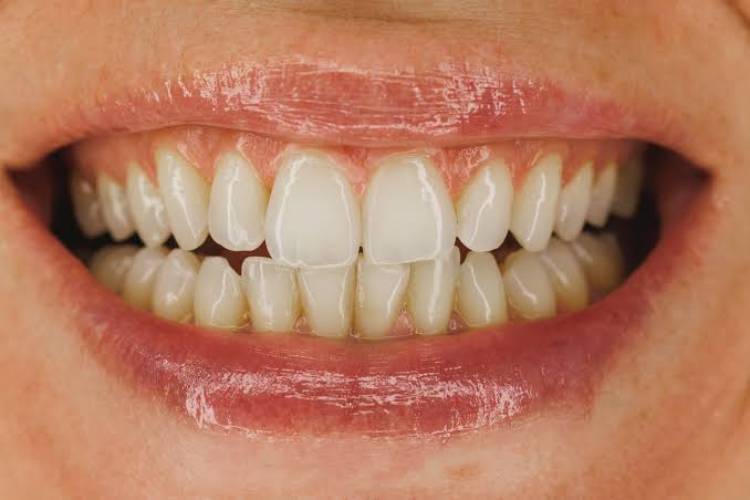
If you’re researching Whitening Fillings on Front Teeth, the most important thing to understand is that composite fillings do not respond to whitening products the same way natural teeth do. While professional whitening can brighten enamel, existing restorations generally remain unchanged.
For patients with a stained front-tooth filling, internal discoloration, or a noticeable color mismatch, the most effective solution is often professional polishing or replacement of the restoration after whitening is complete.
The best results come from proper treatment planning. By whitening natural teeth first, allowing the shade to stabilize, and then matching any visible restorations to the new tooth color, you can achieve a more natural-looking smile.
FAQs
1. Can composite fillings be whitened?
No. Composite fillings do not respond to whitening agents such as hydrogen peroxide or carbamide peroxide. Surface stains may sometimes be polished away, but the material itself cannot be bleached.
2. Why do my front fillings look yellow?
Front fillings may appear yellow due to aging of the composite material, staining from coffee, tea, tobacco, or loss of the original polished surface.
3. Can a dentist make my fillings match my newly whitened teeth?
Yes. Modern composite materials are available in many shades and can often be closely matched to surrounding teeth.
Have you ever noticed your front fillings looking darker or not matching your teeth after whitening? Share your experience in the comments. Did polishing help, or did you need to replace them?

