If you’ve ever run your tongue across your teeth and noticed a sticky, fuzzy, or slimy texture, you’re not alone. One of the most common questions I hear from patients is: Why do my teeth feel sticky?
In most cases, sticky teeth are caused by dental plaque, a soft bacterial layer that constantly forms on the surfaces of your teeth. Plaque develops throughout the day as oral bacteria feed on sugars and carbohydrates from food and drinks. When it isn’t removed effectively, it can leave behind a noticeable sticky film on teeth that many people describe as rough, fuzzy, or slimy. However, plaque is not the only possible cause. Dry mouth, dehydration, tartar buildup, dietary habits, certain medications, and inconsistent dental hygiene can all contribute to a sticky feeling on teeth.
The good news is that identifying the cause is usually straightforward, and in many cases, the problem can be improved with better oral hygiene habits and regular professional care. In this article, I’ll explain the most common causes of sticky teeth, why your teeth may still feel sticky after brushing, how plaque and tartar differ, and the most effective ways to restore a clean, smooth feeling to your teeth.
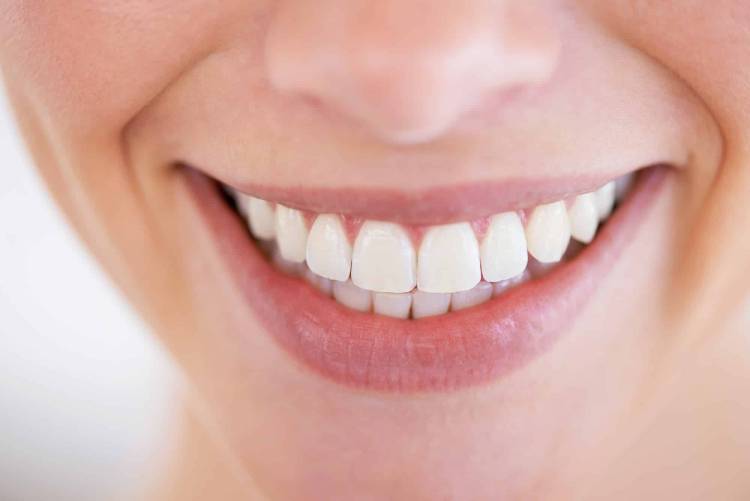
The Most Common Cause: Dental Plaque
When patients ask me: ‘Why do my teeth feel sticky?”, plaque is almost always the first thing I evaluate. Understanding what plaque is and how it develops can help you understand why your teeth no longer feel smooth.

What Is a Dental Plaque?
Dental plaque is a soft, colorless layer of bacteria known as an oral biofilm or bacterial biofilm. It forms naturally on teeth every day.
Within minutes after brushing, proteins from saliva attach to tooth surfaces. Oral bacteria then adhere to this layer and begin multiplying. Over time, they create a sticky matrix that clings tightly to tooth enamel and the gumline.
Plaque is normal, but allowing it to accumulate is not. If it remains on teeth for too long, it can contribute to:
- Tooth decay and cavities
- Gingivitis
- Gum disease
- Bad breath
- Tooth sensitivity
- Tartar formation
How Plaque Forms on Teeth
Plaque develops continuously because the mouth naturally contains hundreds of different bacterial species.
The process typically looks like this:
- Saliva coats tooth surfaces.
- Oral bacteria attach to that coating.
- Bacteria feed on sugars and carbohydrates.
- They produce acids and sticky substances.
- The biofilm thickens and becomes more difficult to remove.
This is why even people who brush regularly can still experience dental plaque buildup if brushing and flossing techniques are not thorough.
Why Plaque Feels Sticky or Fuzzy
Many people describe plaque differently. Some say their teeth feel fuzzy, while others say they feel slimy, rough, or coated.
That sensation occurs because plaque is not a hard substance. It is a soft bacterial layer that alters the enamel’s normally smooth texture.
Patients often notice:
- A fuzzy feeling when they run their tongue across their teeth
- A sticky coating near the gumline
- Roughness between teeth
- A slimy sensation after eating sugary foods
- Sticky teeth in the morning after sleeping
Read more: “Why Are My Gums Bleeding for No Reason?”
Other Reasons Your Teeth May Feel Sticky
Although plaque is the most common cause, several other factors can contribute to teeth that don’t feel clean or smooth.
Dry Mouth (Xerostomia)
Saliva plays a critical role in oral health. It helps wash away bacteria, food particles, and acids before they can accumulate.
When saliva production decreases, bacteria remain on tooth surfaces longer, and plaque develops more quickly. Common causes of dry mouth and sticky teeth include:
- Aging
- Certain medications
- Diabetes
- Autoimmune disorders
- Cancer treatments
- Smoking
- Chronic dehydration
Many patients experiencing dry mouth notice that their teeth feel sticky throughout the day, even shortly after brushing.
Sugary and Starchy Foods
Oral bacteria thrive on carbohydrates. Foods that commonly contribute to plaque growth include:
- Candy
- Cookies
- Crackers
- Bread
- Chips
- Soft drinks
- Sports drinks
- Sweetened coffee beverages
After consuming these foods, bacteria produce acids and sticky byproducts that contribute to dental biofilm and increase the sensation of slimy or sticky surfaces.
Inadequate Brushing and Flossing
Many people brush regularly but still miss critical areas. Plaque commonly remains behind when patients:
- Brush for less than two minutes
- Skip flossing
- Ignore the gumline
- Use worn toothbrush bristles
- Rush through their routine
This is one of the leading causes of sticky teeth, especially when the sticky sensation is concentrated near the gums or between teeth.
Tartar Buildup
If plaque is not removed within a couple of days, minerals from saliva can harden it into tartar, also known as calculus. Unlike plaque, tartar cannot be removed with brushing or flossing alone.
Tartar often feels:
- Rough
- Hard
- Crusty
- Permanently attached to teeth
Mouth Breathing and Dehydration
People who sleep with their mouths open often wake up with sticky teeth in the morning. Mouth breathing dries out oral tissues and reduces saliva’s ability to naturally cleanse the mouth.
Dehydration has a similar effect. Even mild dehydration can make plaque feel more noticeable and leave teeth feeling coated.
Certain Medications and Health Conditions
Many prescription and over-the-counter medications can reduce saliva production.
Examples include:
- Antihistamines
- Antidepressants
- Blood pressure medications
- Anxiety medications
- Some pain medications
Certain medical conditions can also increase plaque accumulation and contribute to a persistent sticky sensation.
Ready to Get Rid of Sticky Teeth?
If your teeth continue to feel sticky, fuzzy, or rough even after brushing, it may be time for a professional evaluation. At Walk-In Dental Clinic, we can identify whether plaque buildup, tartar, dry mouth, or another oral health issue is causing the problem and recommend the right treatment for your needs. Contact our team today to schedule an appointment and take the first step toward a cleaner, healthier smile.
Why Do My Teeth Feel Sticky After Brushing?
Many patients become concerned when they brush thoroughly but still notice a coating on their teeth afterward. There are the most common reasons this happens:
Missed Plaque Around the Gumline
The gumline is one of the easiest places to miss while brushing. Plaque frequently accumulates where the tooth meets the gums. If brushing angles are incorrect, a thin layer can remain behind even after brushing. This often leaves patients feeling that their teeth are clean in some areas but sticky in others.
Brushing Technique Issues
Brushing harder does not necessarily mean brushing better. Effective plaque removal requires:
- Gentle circular motions
- A soft-bristled toothbrush
- Coverage of all tooth surfaces
- At least two minutes of brushing
An electric toothbrush may also improve plaque removal for some patients.
Plaque Between Teeth
Brushing cleans approximately 60% of tooth surfaces. The remaining surfaces are located between teeth.
Without daily flossing, plaque remains trapped in these areas and can continue causing a sticky sensation. This is one reason why sticky teeth after brushing often improve significantly once patients establish a consistent flossing routine.
Existing Tartar That Cannot Be Removed at Home
If hardened tartar is present, brushing alone will not eliminate it. Patients often describe tartar-covered teeth as:
- Rough after brushing
- Not fully clean
- Constantly coated
If your teeth feel rough after brushing despite good oral hygiene, tartar may be the reason.
Read more: “How to Treat a Gum Abscess Safely and Why You Should Never Pop It”
How to Get Rid of Sticky Teeth
The solution depends on the underlying cause, but in most cases, improvement is significant with better plaque control and professional care.
Brush Properly Twice Daily
Brush at least twice daily using a fluoride toothpaste.
Focus on:
- Two full minutes of brushing
- The gumline
- Back teeth
- Gentle pressure
- Consistent technique
Replacing your toothbrush every three to four months can also improve cleaning effectiveness.
Floss Every Day
Flossing removes plaque where toothbrush bristles cannot reach.
Daily flossing helps:
- Reduce plaque on teeth
- Improve gum health
- Prevent tartar formation
- Reduce bad breath
- Eliminate plaque between teeth
Stay Hydrated
Increasing water intake supports saliva production and helps reduce bacterial accumulation. Patients with dry mouth and sticky teeth often notice improvement simply by maintaining better hydration throughout the day.
Use Fluoride Toothpaste
Fluoride toothpaste does more than clean your teeth. It helps strengthen enamel and repairs early damage caused by acids produced by plaque bacteria. If sticky teeth are caused by ongoing plaque buildup, using fluoride toothpaste twice a day can reduce your risk of cavities while protecting your teeth from further enamel wear.
Consider an Antibacterial Mouthwash
An antibacterial mouthwash can help reduce the bacteria that contribute to plaque formation and bad breath. While it won’t remove plaque on its own, it can support your brushing and flossing routine by reaching areas that are harder to clean. For people who frequently experience plaque buildup, it can be a useful addition to their daily oral care routine.
Schedule Regular Professional Cleanings
When plaque hardens into tartar, professional removal becomes necessary. Routine teeth cleaning appointments allow us to remove stubborn deposits before they contribute to gum disease or tooth decay. A professional cleaning resolves the issue almost immediately.
Read more: “Sore Mouth Weeks Later? The Hidden Reasons After Wisdom Tooth Removal”
Sticky Teeth vs. Tartar: What’s the Difference?
Many people confuse plaque and tartar because both can affect how teeth feel. However, they are very different substances.
Understanding the difference between plaque and tartar helps determine whether the problem can be managed at home or requires professional treatment.
Signs of Plaque
Plaque is soft and removable. Common signs include:
- Sticky feeling on teeth
- Slimy teeth
- Fuzzy texture
- Mild bad breath
- Film-like coating
With proper brushing and flossing, plaque can usually be removed.
Signs of Tartar
Tartar is hardened plaque that has absorbed minerals from saliva. Common signs include:
- Rough surfaces
- Yellow or brown deposits
- Visible buildup near gums
- Bleeding gums
- Persistent bad breath
Unlike plaque, tartar requires professional removal. Your family dentist can determine whether plaque, tartar, or another issue is responsible.
Can Sticky Teeth Lead to Cavities or Gum Disease?
Many people assume sticky teeth are only a cosmetic concern. Unfortunately, untreated plaque can create much larger problems.
How Plaque Damages Enamel
Plaque bacteria produce acids whenever they metabolize sugars. These acids gradually weaken enamel and increase the risk of cavities. Over time, untreated plaque may lead to:
- Tooth decay
- Cavities
- Tooth sensitivity
- Structural tooth damage
The Link Between Plaque and Gingivitis
Plaque not only affects teeth. It also irritates the gums. Early gum disease, called gingivitis, commonly causes:
- Red gums
- Swollen gums
- Bleeding while brushing
- Persistent bad breath
At this stage, the condition is generally reversible with professional care and improved oral hygiene.
Long-Term Oral Health Risks
If plaque and gum inflammation continue untreated, more serious complications may develop.
Potential consequences include:
- Advanced gum disease
- Bone loss around teeth
- Loose teeth
- Increased risk of needing a tooth extraction
- More complex procedures, such as oral surgery
Addressing plaque early is much easier than treating the complications it may eventually cause.
When Should You See a Dentist?
A sticky feeling on your teeth is often caused by plaque and can usually improve with better brushing, flossing, and hydration. However, if the problem keeps returning or is accompanied by other symptoms, it may indicate an issue that requires professional treatment. Knowing when to seek dental care can help prevent minor plaque buildup from progressing into cavities, gum disease, or more complex oral health problems.
Persistent Sticky Feeling
If your teeth continue to feel sticky even after improving your oral hygiene routine, it may be a sign that plaque is accumulating in areas you cannot easily clean at home. Many patients are surprised to learn that brushing twice a day is not always enough to remove plaque trapped near the gumline, behind back teeth, or between teeth.
A sticky sensation that lasts for several weeks may also indicate tartar buildup. Once plaque hardens into tartar, it cannot be removed with brushing or flossing and requires professional treatment. During a dental examination, we can identify whether the problem is caused by plaque, tartar, dry mouth, or another underlying condition and recommend the appropriate solution.
Bleeding Gums
Occasional gum irritation can happen, but healthy gums should not bleed regularly when you brush or floss. Bleeding gums are often one of the earliest signs of gingivitis, the first stage of gum disease caused by plaque accumulation along the gumline.
When plaque remains in contact with the gums, bacteria trigger inflammation that can make the tissue red, swollen, tender, and prone to bleeding. Research published in the International Journal of Environmental Research and Public Health found that dental plaque is strongly associated with gingival inflammation and bleeding, reinforcing the importance of plaque control for maintaining healthy gums.
The encouraging news is that gingivitis is often reversible when treated early. A professional teeth cleaning, combined with improved home care, can remove the bacteria responsible for inflammation and help restore gum health before more serious damage occurs.
Chronic Bad Breath
Persistent bad breath that does not improve after brushing, flossing, or using mouthwash should not be ignored. In many cases, chronic bad breath develops because bacteria are accumulating in plaque deposits, gum pockets, or areas that are difficult to clean.
As these bacteria break down food particles and proteins in the mouth, they release unpleasant-smelling compounds that can linger throughout the day. If bad breath continues despite good oral hygiene, a dental evaluation can help determine whether plaque buildup, gum disease, dry mouth, tooth decay, or another oral health issue is responsible.
Visible Buildup Around Teeth
If you notice yellow, brown, or rough deposits near the gumline, there is a good chance that plaque has hardened into tartar. Unlike soft plaque, tartar bonds strongly to the tooth surface and creates a rough texture that attracts even more bacteria and plaque.
Visible tartar buildup increases the risk of cavities, gum disease, enamel damage, and long-term oral health complications. In some cases, untreated decay associated with plaque and tartar can weaken a tooth enough to cause fractures or a broken tooth. Professional cleaning is the safest and most effective way to remove tartar and restore a smooth tooth surface.
Additional Situations That Require Professional Attention
You should also schedule a dental appointment if you experience:
- Tooth sensitivity that develops alongside plaque buildup
- Receding gums or teeth that appear longer than before
- Swelling around the gums
- Persistent dry mouth that affects daily comfort
- Pain when chewing
- Loose teeth
- Signs of tooth decay, including dark spots or visible holes in teeth
Patients eligible for the CDCP may have access to preventive and restorative dental services that can help address these issues before they become more serious. Parents who notice ongoing plaque buildup or gum problems in their children should consider regular visits with a children’s dentist to establish healthy oral hygiene habits early. If sticky teeth are accompanied by severe pain, swelling, infection, trauma, or a dental emergency, seek care from an emergency dentist in North York as soon as possible.
At Walk-In Dental Clinic, we provide comprehensive dental care for patients of all ages, including preventive dentistry, professional cleanings, examinations, restorative treatments, emergency care, children’s dentistry, oral surgery services, and guidance on maintaining long-term oral health. Our team focuses on identifying the root causes of concerns such as plaque buildup, sticky teeth, gum inflammation, bad breath, tooth sensitivity, and other oral health issues, so patients receive personalized treatment and preventive recommendations tailored to their specific needs.
Conclusion
If you’re teeth feel sticky and this is bothering you, the cause usually lies in plaque accumulation. Dental plaque is a naturally occurring oral biofilm that forms continuously on teeth and can create a fuzzy, slimy, or sticky sensation when not removed effectively.
Other factors, such as dry mouth, dehydration, tartar buildup, dietary habits, and oral hygiene challenges, can also contribute to the problem.
The best approach is to brush thoroughly twice daily, floss every day, stay hydrated, use fluoride toothpaste, and maintain regular professional dental cleanings. If the sticky feeling persists despite good oral care, a dental examination can help identify the underlying cause and prevent more serious problems such as cavities or gum disease.
FAQ
1. Why do my teeth feel sticky after brushing?
The most common reasons include missed plaque around the gumline, plaque between teeth, ineffective brushing technique, or existing tartar that cannot be removed at home.
2. Is it normal for teeth to feel sticky in the morning?
Yes. Many people experience sticky teeth in the morning because saliva production decreases during sleep, allowing plaque and bacteria to accumulate more easily.
3. What is the difference between plaque and tartar?
Plaque is a soft bacterial film that can be removed with brushing and flossing. Tartar is hardened plaque that requires professional dental removal.
4. When should I see a dentist for sticky teeth?
You should schedule a dental visit if the sticky feeling persists, your gums bleed regularly, bad breath continues, or you notice visible buildup around your teeth.
Have you ever noticed your teeth feeling sticky or fuzzy even after brushing? What helped you get rid of the problem, improving your oral hygiene routine, drinking more water, or visiting a dentist for a professional cleaning? Share your experience in the comments below.