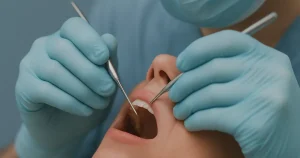
Recovering from a wisdom tooth extraction can be a straightforward process for some, but for others, a sore mouth extraction may persist for several weeks. While mild discomfort, swelling, or tenderness is normal in the first few days, ongoing pain might indicate delayed healing, irritation, or other complications. Understanding what is typical during the wisdom tooth extraction recovery process and identifying warning signs can help you manage symptoms safely and reduce anxiety about your oral health.
Healing involves both gum tissue healing and bone remodeling, which can take weeks. During this time, patients often experience soreness, jaw stiffness, or sensitivity. Being aware of potential causes, from dry socket to nerve irritation, can prepare you to take appropriate steps for a smooth recovery.

Is It Normal to Have a Sore Mouth Weeks After Extraction?
Experiencing mild discomfort is expected, but prolonged soreness should be evaluated. Before exploring specific causes, let’s first understand what normal healing looks like.
Typical Healing Timeline
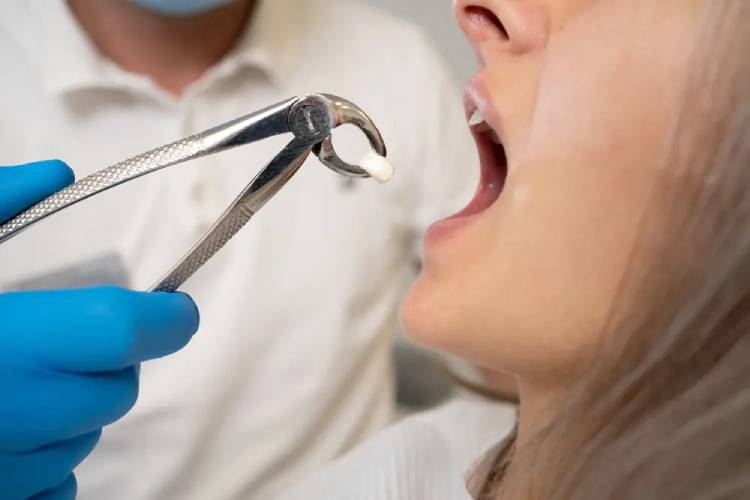
After extraction, the soft tissue begins to close over the site within the first week. By the second week, swelling usually subsides, and gentle chewing becomes possible. Bone healing continues for several weeks, contributing to residual tenderness. During this period, patients may notice mild sensitivity in surrounding teeth or jaw muscles, which is generally a part of the normal oral surgery recovery.
When Discomfort Should Improve
Typically, soreness decreases gradually over 2–3 weeks. If your pain remains intense, spreads to your ear or temple, or interferes with daily activities, it may indicate complications. Gradual improvement, reduction in swelling, and decreasing jaw stiffness are positive signs that your recovery is on track.
Common Causes of a Sore Mouth Extraction
Persistent soreness can result from several factors, ranging from minor issues to complications requiring professional attention.
Dry Socket (Delayed Clot Healing)
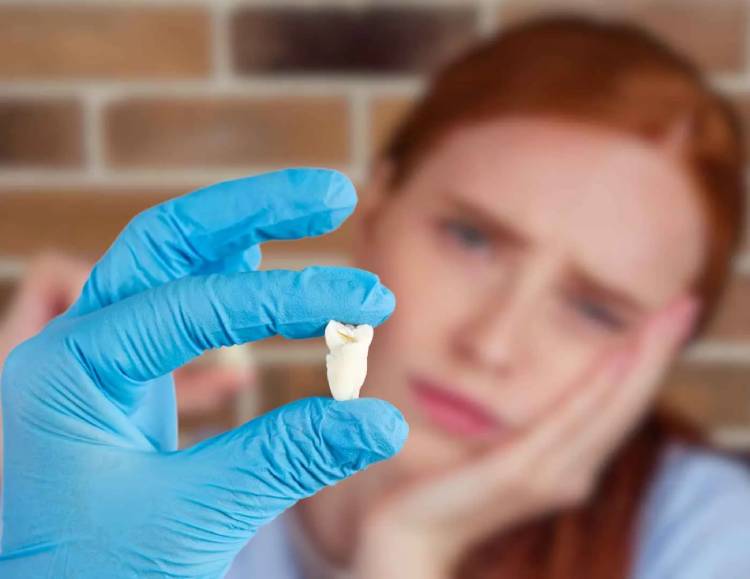
A dry socket occurs when the blood clot protecting the extraction site is dislodged or fails to form, exposing underlying bone and nerves. This can cause sharp, throbbing wisdom tooth pain that radiates to the jaw or ear. According to Harvard Health, dry sockets are more common after lower wisdom teeth extractions and require dental evaluation to manage pain and prevent infection.
Infection After Extraction
An infection may develop if bacteria enter the extraction site, leading to swelling and inflammation, pus, or a bad taste in the mouth. Fever and prolonged tenderness can indicate the need for urgent care. Proper oral hygiene, including gentle brushing and rinsing, is essential to prevent infections after tooth extraction.
Jaw Stiffness and Muscle Strain
Pain in the jaw may stem from muscular strain rather than the extraction itself. Chewing, talking, and yawning can stress the jaw muscles, causing jaw pain after extraction. Gentle exercises and soft foods help relieve this discomfort.
Nerve Irritation or Damage
Nerve irritation may cause tingling, numbness, or sharp pain, particularly after lower wisdom teeth removal. Nerves typically recover over time, but persistent symptoms should be monitored to avoid long-term issues such as chronic nerve pain.
Food Debris and Poor Oral Hygiene
Food trapped in the extraction site can cause gum tissue healing delays, swelling, and localized pain. Rinsing with warm saltwater, avoiding aggressive brushing near the site, and regular teeth cleaning are effective preventive measures.
Sinus Pressure (Upper Wisdom Teeth)
Upper wisdom teeth are close to the sinuses. Swelling or sinus congestion can result in referred jaw pain after extraction or mild headaches. Persistent sinus discomfort should be evaluated by your dentist or physician.
Read more: “Tooth Abscess North York”
Symptoms That Require Immediate Attention
While mild soreness is common, certain signs indicate complications that need professional care.
Persistent or Worsening Pain
Intensifying pain rather than gradual improvement may suggest a dry socket or infection.
Swelling That Doesn’t Subside
Swelling beyond the first week, especially if accompanied by redness, may indicate infection after wisdom tooth removal.
Bad Taste or Odor in Mouth
A foul taste or odor can signal bacterial growth at the extraction site.
Difficulty Opening Mouth (Trismus)
Limited jaw mobility may result from muscle strain or infection and should be addressed promptly.
Fever or Systemic Signs
Chills, fever, or malaise indicate a systemic response to infection and require urgent intervention from a family dentist or emergency dentist in North York.
Take Control of Your Recovery Today
Experiencing a sore mouth extraction weeks after wisdom tooth removal can be uncomfortable, but you don’t have to manage it alone. Schedule a visit with our dental professionals at Walk-In Dental Clinic in North York for expert care, personalized advice, and safe management of your recovery. Don’t wait; ensure your healing stays on track, and prevent potential complications.
How to Relieve a Sore Mouth Extraction
Proper care can alleviate discomfort and promote healing.
Pain Management Strategies
Over-the-counter pain relievers, cold compresses, and resting the jaw can reduce discomfort. Avoid medications that may thin blood without your dentist’s advice.
Oral Hygiene Care
Rinse gently with warm saltwater and brush carefully around the site. Avoid vigorous rinsing or spitting to protect the blood clot and support gum healing after extraction.
Diet and Lifestyle Tips
Consume soft foods, maintain hydration, and avoid smoking or using straws, which can contribute to delayed healing or dry socket symptoms. Incorporating these lifestyle adjustments supports faster recovery and reduces pain weeks after extraction.
Read more: “Expected Timeline for Tooth Extraction Recovery”
When to See a Dentist
Timely consultation with a dental professional ensures safe and effective healing, helping to prevent complications such as infection, dry socket, or nerve irritation. Seeking care promptly allows your dentist to monitor your recovery and provide guidance tailored to your wisdom tooth extraction recovery.
Warning Signs That Require Care
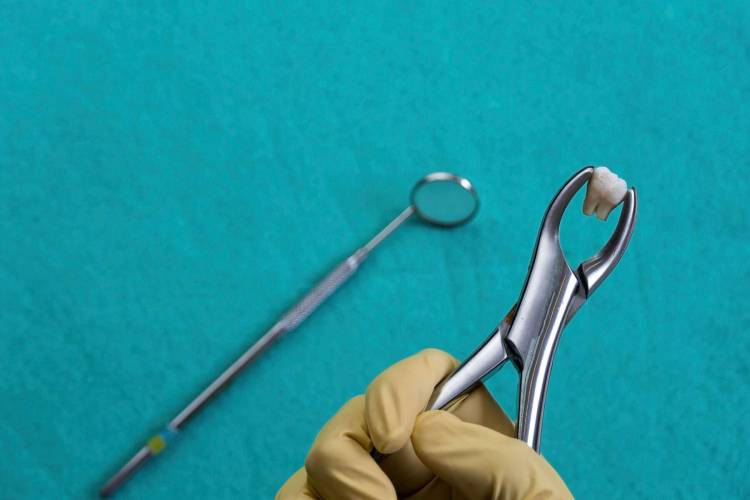
Persistent pain, swelling like a dental abscess, or pus necessitates immediate attention. Even minor issues can escalate if ignored.
Risk of Untreated Infection
Infections may spread to nearby tissues or cause systemic issues. Early intervention reduces complications and accelerates recovery.
Importance of Follow-Up Visits
Follow-up appointments allow your dentist to monitor oral surgery recovery, identify potential issues like nerve irritation or infection, and provide timely treatment.
Professional Dental Services at Walk-In Dental Clinic
At Walk-In Dental Clinic, we provide patient-focused care for wisdom teeth extraction, tooth abscess, oral surgery, root canal, dental fillings, and teeth cleaning. Our team of dental professionals in North York is available for routine and emergency care, ensuring safe oral surgery recovery for all patients. Persistent or worsening pain after a sore mouth extraction may indicate complications, and we encourage patients to seek professional evaluation promptly.
Conclusion
A sore mouth extraction weeks after wisdom tooth removal is not uncommon. Causes can range from normal healing variations to tooth extraction complications such as dry socket, infection, or nerve irritation. Understanding these factors, practicing good oral hygiene, and monitoring your symptoms ensure proper healing. Persistent, worsening, or unusual pain should prompt consultation with a dental professional to prevent complications and support complete recovery.
Read more: “Why Is Tooth Extraction Needed?”
FAQ
1. What helps relieve sore mouth extraction pain?
Soft foods, gentle oral hygiene, pain relievers, and cold compresses help manage discomfort.
2. Why does my jaw still hurt after removal?
Jaw pain may result from muscle strain, nerve irritation, or sinus involvement.
3. How do I know if I have a dry socket?
Intense, throbbing pain radiating from the extraction site, often with an empty-looking socket, is a key sign.
4. Can an infection develop weeks after extraction?
Yes, infections may develop if oral hygiene is poor or the blood clot is disturbed.
Thank you for reading! If you’re experiencing jaw pain or a sore mouth weeks after your wisdom tooth removal, remember that persistent discomfort is not always normal. Our team at Walk-In Dental Clinic is here to answer your questions and provide personalized care. Share your experiences or questions below, we’d love to help guide you through a smooth and safe recovery!