
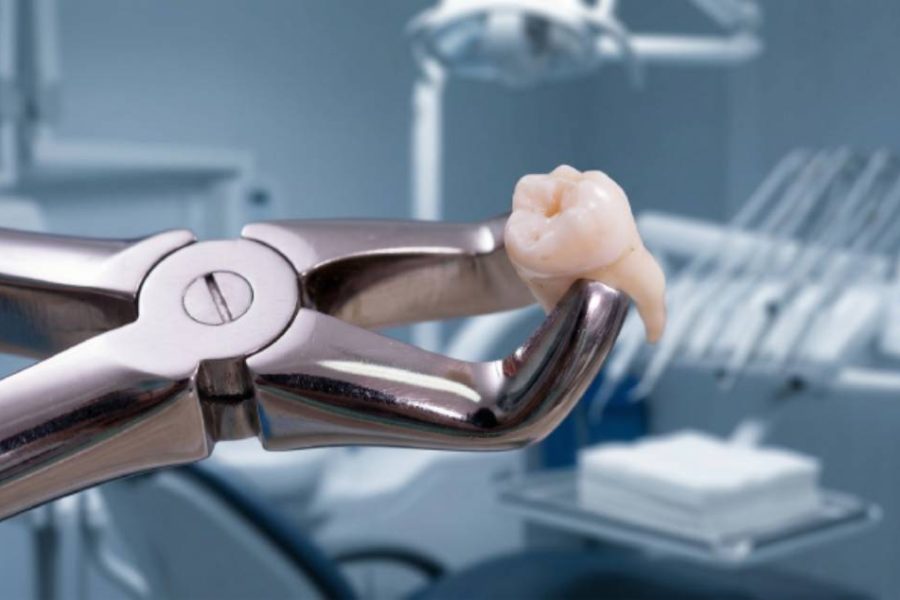
After undergoing a tooth extraction, one of the most common concerns patients have is understanding the tooth extraction healing time and how long it takes for the hole to fully close. Whether the procedure was simple or surgical, healing is not immediate; it occurs in carefully structured biological stages. From the formation of a protective blood clot to gum tissue repair and eventual bone regeneration, each phase plays a critical role in recovery.
Understanding the recovery time of tooth extraction can help you set realistic expectations, reduce anxiety, and follow the right aftercare steps for a smooth recovery.

What Happens After a Tooth Extraction?
Healing after a tooth extraction is a natural biological process that your body initiates immediately after the tooth is removed. It involves multiple overlapping stages, each essential for protecting the area and rebuilding tissue. Knowing these stages can help you recognize what is normal and what requires attention.
Blood Clot Formation (First 24 Hours)
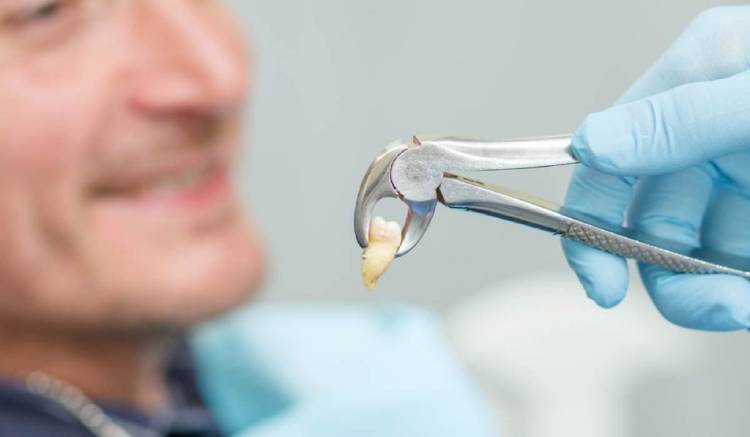
The first stage begins right after the procedure. A blood clot forms in the extraction site, which is crucial for protecting exposed bone and nerve endings.
This clot acts as the foundation for healing. Without it, complications like dry socket can occur, leading to severe pain and delayed recovery. Protecting this clot is the most important step in the early tooth extraction healing time.
Early Healing Stage (Days 2–7)
During this phase, the body starts producing granulation tissue, a soft, pinkish tissue that replaces the blood clot.
Swelling and inflammation gradually decrease, and bleeding typically stops. The gum tissue begins to repair itself, marking the early phase of visible healing. This stage is a key part of the tooth extraction recovery time, as the body transitions from protection to rebuilding.
Tissue and Bone Healing (Weeks to Months)
After the first week, gum tissue continues to close over the extraction site. While the surface may look healed, deeper healing is still ongoing.
Bone regeneration takes significantly longer. The jawbone slowly fills in the space where the tooth once was, completing the final phase of the tooth extraction healing timeline.
Read more: “Severe Tooth Pain? When Emergency Tooth Extraction Is the Best Option”
Tooth Extraction Healing Time
The tooth extraction healing process varies depending on the type of extraction and individual health factors. While some patients recover quickly, others may require more time, especially after surgical procedures.
Simple Tooth Extraction Timeline
A simple extraction, often performed on a visible tooth, usually has a faster recovery.
Most patients experience gum closure within 7 to 14 days. Discomfort typically subsides within a few days, and daily activities can resume relatively quickly. This is the most straightforward form of gum healing after tooth extraction.
Wisdom Tooth Extraction Healing Time
When it comes to wisdom teeth extraction, the healing process is often longer due to the complexity of the procedure.
Swelling may last several days, and the hole may take 3 to 4 weeks to visibly close. Since these extractions are often surgical, the wisdom tooth healing time is naturally extended.
Complete Healing Timeline
It’s important to distinguish between surface healing and deep healing.
While the gum may appear closed within a couple of weeks, the bone underneath can take 3 to 6 months to fully regenerate. This explains why the full tooth extraction healing process extends beyond what you see externally.

Factors That Affect Tooth Extraction Healing Time
Not everyone heals at the same rate. Several factors influence how quickly your body recovers after a tooth extraction.
Age and Overall Health
Younger individuals tend to heal faster due to stronger immune responses and better tissue regeneration.
Chronic conditions such as diabetes or immune disorders can slow down the tooth extraction recovery time, making proper aftercare even more critical.
Oral Hygiene and Dental Aftercare
Maintaining a clean environment in your mouth significantly reduces the risk of infection.
Following proper tooth extraction aftercare, such as gentle rinsing and careful brushing, helps accelerate healing. Regular habits like teeth cleaning also contribute to a healthier oral environment overall.
Smoking and Lifestyle Habits
Smoking is one of the biggest factors that delays healing.
It restricts blood flow and increases the risk of complications like dry socket. Avoiding smoking during the tooth extraction healing time is essential for proper recovery.
Type of Extraction
A simple extraction heals faster than a surgical one. Procedures involving impacted teeth, such as a broken tooth removal or complex oral surgery, and dental filling preparation, may require longer healing periods.
Signs Your Tooth Extraction Is Healing Properly
Understanding the normal signs of healing can provide reassurance during recovery. While every patient is different, there are common indicators that your extraction site is progressing as expected.
Decreasing Pain and Swelling
Pain and swelling should gradually reduce over time. Mild discomfort is normal, but it should improve daily rather than worsen. This is a positive sign that your tooth extraction healing process is on track.
Healthy Gum Tissue Formation
As healing progresses, you may notice pink tissue forming over the extraction site. This indicates that gum tissue is regenerating properly and replacing the initial blood clot.
No Signs of Infection
A healthy healing site should not produce pus, severe odor, or fever. If the area remains clean and symptoms improve, it’s a good indication that your recovery is progressing normally.
Read more: “Tooth Extraction vs. Root Canal: Should You Pull or Save Your Tooth?”
Warning Signs of Complications After Extraction
While most extractions heal without issues, complications can occur. Recognizing early warning signs can help you seek treatment before the condition worsens.
Dry Socket Symptoms
Dry socket occurs when the blood clot becomes dislodged or dissolves too early.
This leads to severe pain a few days after the extraction, often radiating to the ear or jaw. It is one of the most common complications affecting the tooth extraction healing time.
Infection After Extraction
Infections may develop if bacteria enter the extraction site.
Symptoms include swelling, pus, fever, and a bad taste or odor in the mouth. According to the
NHS recovery guidelines, persistent swelling, severe pain, or discharge should always be evaluated by a dental professional.
Infections can sometimes arise from untreated issues like a tooth abscess or after procedures such as a root canal, making proper monitoring essential.
Delayed Healing
If the extraction site does not seem to shrink or discomfort persists beyond the expected timeframe, healing may be delayed. This can happen due to poor aftercare, underlying health conditions, or complications during the procedure.
Experiencing Complications After Tooth Extraction?
If you’re planning a tooth extraction or have concerns about your healing process, don’t leave it to chance. Our experienced dental team at Walk-in Dental Clinic is here to guide you every step of the way, from procedure to full recovery. Book your appointment today or walk in for immediate care, your oral health deserves expert attention.
How to Speed Up Tooth Extraction Healing Time
Although healing is a natural process, there are several steps you can take to support your body and reduce recovery time.
Follow Post-Procedure Instructions
Your dentist’s instructions are tailored to your specific case.
Avoid disturbing the extraction site, especially during the first 24 hours, to protect the blood clot and ensure proper oral surgery recovery.
Maintain Good Oral Hygiene
Keeping your mouth clean is essential for preventing infection. Use gentle rinsing techniques and avoid aggressive brushing near the extraction site. Good hygiene plays a major role in improving tooth extraction healing process.
Eat Soft Foods
Stick to soft, easy-to-chew foods during the first few days. This prevents irritation and allows the area to heal without unnecessary pressure. Gradually reintroduce solid foods as your comfort improves.
Avoid Smoking and Straws
Both smoking and using straws can dislodge the blood clot. Avoid these habits entirely during the early stages of healing to prevent complications like dry socket and ensure faster recovery.
A Realistic Expectation for Recovery
The tooth extraction healing time varies from person to person, but most patients can expect gum closure within one to two weeks. However, deeper bone healing continues for several months.
By understanding the healing stages, recognizing normal and abnormal symptoms, and following proper aftercare, you can significantly improve your recovery experience. Whether your procedure was routine or complex, a smooth healing process depends on both your body’s natural response and the care you provide afterward.
If you ever feel unsure about your symptoms, consulting a family dentist or visiting an emergency dentist in North York can provide peace of mind and ensure your healing stays on track.
Conclusion
This article is for educational purposes only and should not replace professional dental advice. Walk-in Dental Clinic provides patient-focused care, including diagnosis, treatment, and follow-up for procedures like tooth extraction and infection management. If you are experiencing unusual symptoms or prolonged discomfort, it is essential to seek care from a qualified dental professional to receive personalized treatment and ensure safe recovery.
FAQ
1. How long does it take for a tooth extraction hole to close?
In most cases, the gum closes within 7 to 14 days, but complete healing of the bone can take several months.
2. Is it normal to still have a hole after 2 weeks?
Yes, it is normal. While the gum may partially close, the underlying bone is still healing.
3. When can I eat normally after a tooth extraction?
You can gradually return to normal eating habits within a week, depending on your comfort level.
4. What can delay the healing time?
Smoking, poor oral hygiene, infection, and underlying health conditions can all slow down healing.
Have questions about your healing process or want to share your experience? Drop a comment below, our dental team is here to help and guide you. Your feedback might also help others going through the same recovery!