Replacing a missing tooth has changed significantly over the last few decades. Dental implants remain one of the most reliable options for restoring chewing function, speech, and appearance, but newer restorative techniques continue to improve the attachment of implant crowns. One approach that has gained attention is screwless dental implants. While the name sounds straightforward, it often causes confusion because not every “screwless” restoration is entirely free of screws.
At Walk In Dental Clinic, we believe patients deserve clear, evidence-based information before choosing any treatment. We have been caring for patients in North York since 1979, and our team provides comprehensive implant consultations to help patients understand their options based on their oral health, bone quality, and treatment goals. In this guide, we explain how these restorations work, how they compare with traditional implant systems, and whether they may be a suitable choice for you.
What Are Screwless Dental Implants?
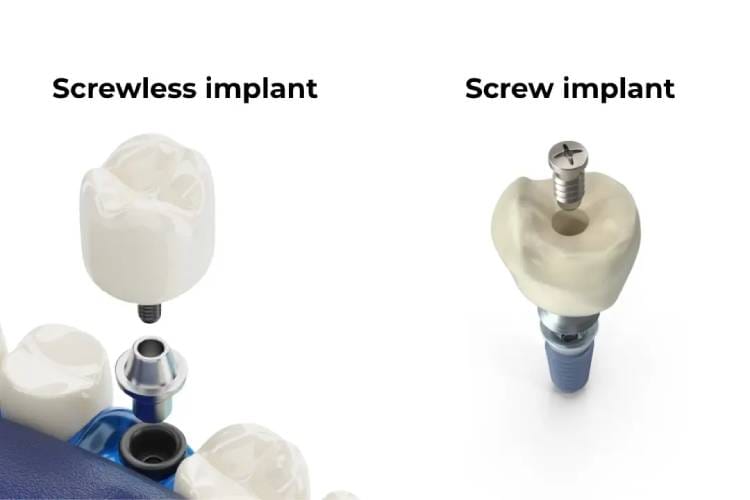
The term screwless dental implants usually refers to an implant restoration where the final crown is attached without a visible screw access hole. In many cases, the implant itself is still secured in the jawbone in the same way as a traditional dental implant. The difference lies in how the replacement tooth is connected to the implant.
Some restorations use a cement-retained implant crown, while others use a friction-fit or locking taper connection, often called a Morse taper system. Both methods eliminate the visible screw opening on the chewing surface, creating a more natural appearance.

Understanding the Technology
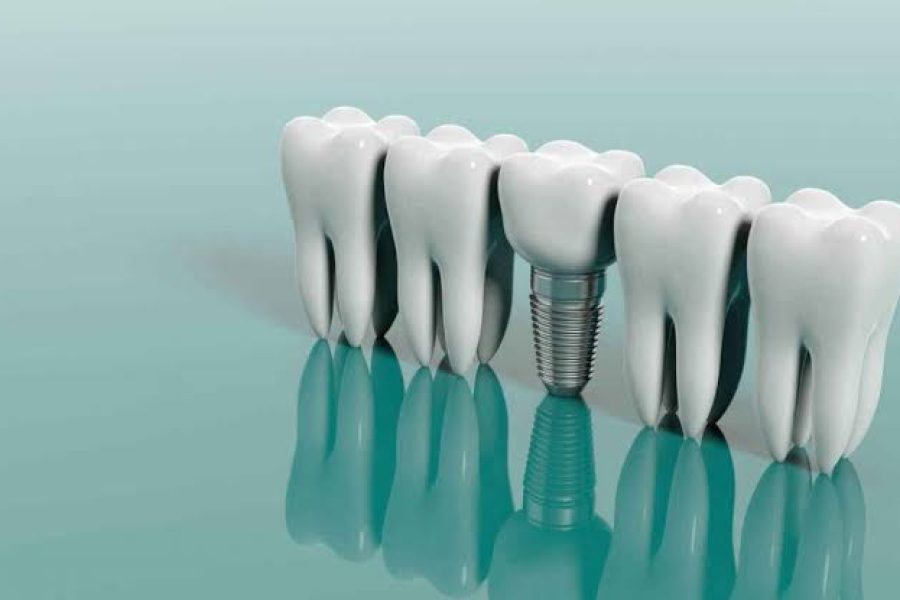
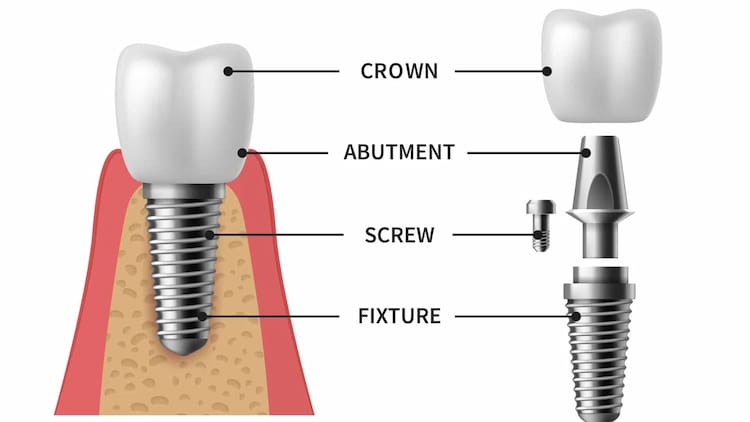
A dental implant replaces the root of a missing tooth with a titanium implant that integrates with the jawbone through a biological process known as osseointegration. Once healing is complete, an implant abutment connects the implant post to the implant crown.
Instead of fastening the crown with a screw, some restorations are secured using dental cement or a precisely engineered friction-fit connection. These systems are designed to provide stability while improving the appearance of the finished restoration.
Main Components
Although attachment methods differ, the essential components remain similar:
- Titanium implant placed within the jawbone
- Implant abutment connecting the implant and the crown
- Custom-made implant crown
- Gum tissue surrounding the restoration
- Supporting jawbone that provides long-term stability
Modern digital dentistry also enables dentists to plan implant placement using a CBCT scan, digital impressions, and an intraoral scanner, thereby improving precision.
How They Differ from Traditional Implant Restorations
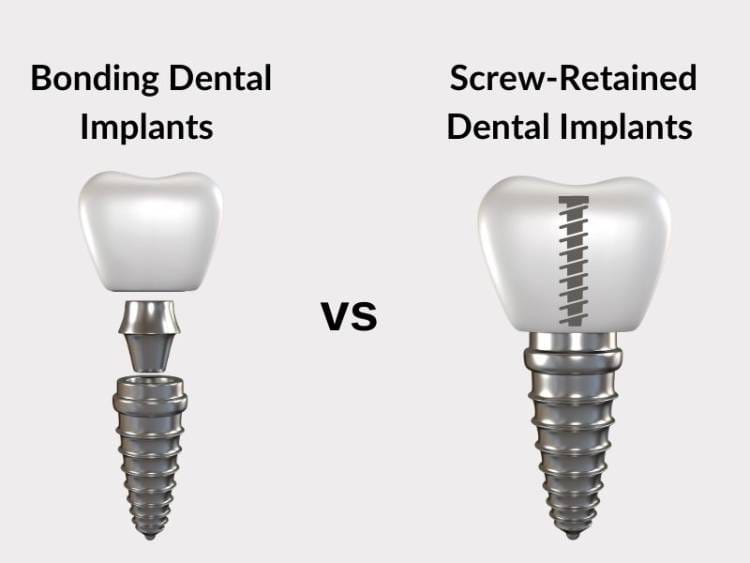
Traditional screw-retained restorations include a small access hole through the crown, allowing the dentist to tighten or remove the restoration if needed.
By comparison, cement-retained or friction-fit restorations hide this opening, which many patients prefer for cosmetic reasons. However, each method has advantages depending on the implant position, bite alignment, dental hygiene, and future maintenance needs.
Screwless Dental Implants vs Traditional Dental Implants
Both treatment options have excellent clinical success rates when properly planned. The best choice depends on several factors, including implant location, bone density, occlusion, and the complexity of the restoration.
| Feature | Screwless Restoration | Screw-Retained Restoration |
| Appearance | No visible access hole | Small screw access opening |
| Maintenance | Crown removal may be more complex | Easier retrieval if repairs are needed |
| Esthetics | Excellent for visible teeth | Very good but may require composite filling over access hole |
| Stability | Reliable with proper case selection | Highly reliable |
| Long-term maintenance | Depends on restoration type | Often simpler for future adjustments |
Appearance
One of the biggest advantages is aesthetics. Without a visible screw hole, the implant crown more closely resembles a natural tooth. This can be especially beneficial for front teeth where appearance matters most.
Patients considering cosmetic dentistry often ask about this option because the crown can be designed with uninterrupted porcelain or zirconia surfaces.
Stability
Many patients assume that removing the screw makes the restoration less secure. In reality, modern locking taper systems and properly bonded cement-retained restorations can provide excellent implant stability when planned correctly.
The success of any implant restoration depends far more on accurate implant placement, healthy bone integration, and proper bite alignment than on the attachment method alone.
Maintenance
Maintenance is where traditional screw-retained restorations often have an advantage. If a crown requires repair or replacement, the dentist can usually remove a screw-retained implant crown more easily. Cement-retained restorations sometimes require more careful removal to avoid damaging the crown.
This is one reason experienced restorative dentists carefully evaluate each case before recommending one approach over another.
Start with a Free Consultation
Choosing the right implant treatment is an important decision. At Walk In Dental Clinic, we offer a free dental implant consultation to assess your oral health, discuss your treatment options, and answer your questions.
You can also explore our gallery of completed implant cases to see real patient results and better understand what to expect before making your decision.
Book your free consultation today and find out whether dental implants are the right solution for you.
Benefits of Screwless Dental Implants
Patients are often interested in this type of restoration because it offers several practical and cosmetic advantages.
Improved Appearance
Without a screw access opening, the final implant crown looks more like a natural tooth. This is particularly valuable when replacing teeth that are visible during speaking or smiling.
Comfortable Fit
Modern implant restorations are designed to distribute chewing forces evenly across the implant and surrounding bone. A properly fitted restoration can restore normal chewing ability and improve speech while maintaining a comfortable bite.
Reduced Mechanical Concerns
Traditional restorations occasionally experience screw loosening over time. Friction-fit systems eliminate this particular concern because they rely on precision engineering rather than an exposed retaining screw. It is important to remember that all implant restorations still require regular examinations and professional maintenance.
Excellent Long-Term Results
Clinical research consistently shows high implant success rates when patients maintain good oral hygiene and attend routine follow-up appointments. Daily brushing, flossing around the implant, and professional cleaning reduce the risk of peri-implantitis and help protect both the implant and surrounding soft tissue.
Read more: “A Comprehensive Guide on All-on-4 Dental Implants”
Are There Any Disadvantages?
Although this treatment offers several advantages, it is not the right solution for every patient.
Limited Suitability
Certain implant positions or complex restorations may be better suited to screw-retained designs. Patients requiring full-mouth dental implants or extensive implant restoration often benefit from treatment planning that considers future maintenance as well as aesthetics.
Crown Retrieval
If the crown becomes damaged years later, removing a cement-retained restoration may be more challenging than removing a screw-retained crown. This does not mean repairs are impossible, but they may require additional clinical steps.
Cement-Related Considerations
With cement-retained restorations, excess dental cement must be carefully removed during crown placement. Residual cement around the implant has been associated with inflammation and peri-implant disease if left beneath the gum tissue. For this reason, careful placement and follow-up care are essential.
Cost
The overall cost of dental implants depends on several factors, including diagnostic imaging, bone grafting procedures, implant materials, dental laboratory fees, and treatment complexity. The attachment method itself is only one part of the total cost.
Read more: “Dental Implants Vs. Crowns”
Who Is a Good Candidate?
A comprehensive dental consultation is the only reliable way to determine whether this treatment is appropriate.
You may be a suitable candidate if you:
- Have one or more missing teeth
- Have healthy gum tissue
- Maintain good oral hygiene
- Have sufficient bone density or are eligible for bone graft treatment
- Are medically suitable for implant surgery
- Want a fixed alternative to a denture or dental bridge
Patients with uncontrolled gum disease, heavy smoking habits, or untreated medical conditions may require additional treatment before implant placement. If tooth loss has affected several teeth, other options, such as bridges or crown restorations, or full-mouth implant treatment, may also be discussed.
The Implant Procedure
Treatment usually begins with a comprehensive examination, digital X-rays, and a CBCT scan to evaluate bone volume and important anatomical structures.
Once treatment planning is complete, the titanium implant is placed into the jawbone under local anesthesia. Over the following three to six months, osseointegration allows the implant to fuse with the surrounding bone.
After healing, the implant abutment and custom restoration are fabricated using digital impressions and close collaboration with a dental laboratory. The completed crown is then attached using either a cement-retained or friction-fit design, depending on the treatment plan. Most patients can return to normal daily activities shortly after implant placement, although complete healing continues beneath the gum tissue for several months.
Read more: “Dental Implant Vs. Bridge”
Are Screwless Dental Implants the Future of Tooth Replacement?
Advances in implant design continue to improve restorative dentistry, but there is no single attachment method that is ideal for every patient. According to a 2025 systematic review published in the Journal of Functional Biomaterials, both screw-retained and cement-retained implant restorations achieve high survival rates and predictable clinical outcomes when treatment is carefully planned and maintained. The review also notes that each retention method has specific advantages and limitations, so the choice should be based on the patient’s clinical needs rather than assuming one option is always superior.
Rather than asking which system is universally better, we focus on selecting the restoration that best fits the individual sitting in our chair. Factors such as implant position, bite forces, bone quality, oral hygiene habits, aesthetic expectations, and future maintenance all influence that recommendation.
If you are also considering treatments such as dental veneers, dental bonding, teeth whitening, orthodontics, or need an emergency dentist in North York before implant treatment, these services can often be incorporated into a comprehensive restorative plan following a thorough clinical assessment.
Conclusion
Screwless implant restorations offer an attractive option for patients seeking a natural-looking replacement tooth without a visible screw access opening. However, the term encompasses multiple restorative techniques, each with its own benefits and limitations.
A successful outcome depends less on the type of crown attachment and more on careful diagnosis, precise implant placement, healthy bone support, and regular maintenance. An experienced dentist can explain the available options and recommend the restoration that best suits your oral health and functional needs.
FAQ
1. What are screwless dental implants?
Screwless dental implants are implant restorations where the final crown is attached without a visible screw access hole. Depending on the system used, the crown may be secured with dental cement or a friction-fit connection, while the implant itself is still anchored in the jawbone.
2. Are screwless implants better than traditional implants?
Neither option is universally better. Screwless restorations often provide improved aesthetics, while screw-retained restorations are generally easier to remove if repairs are needed. The best choice depends on factors such as implant position, bite, oral hygiene, and your dentist’s treatment plan.
3. Do screwless implants look more natural?
Yes. Because there is no visible screw access hole on the crown, screwless restorations often provide a more natural appearance, especially for teeth in the front of the mouth.
4. How painful is the procedure?
Implant placement is performed under local anesthesia, so you should not feel pain during the procedure. Mild soreness or swelling is common afterward and usually improves within a few days with recommended pain relief and aftercare.
Have you considered dental implants or already had implant treatment? Share your questions or experience in the comments below; your insights may help others learn more and make a more confident choice.