
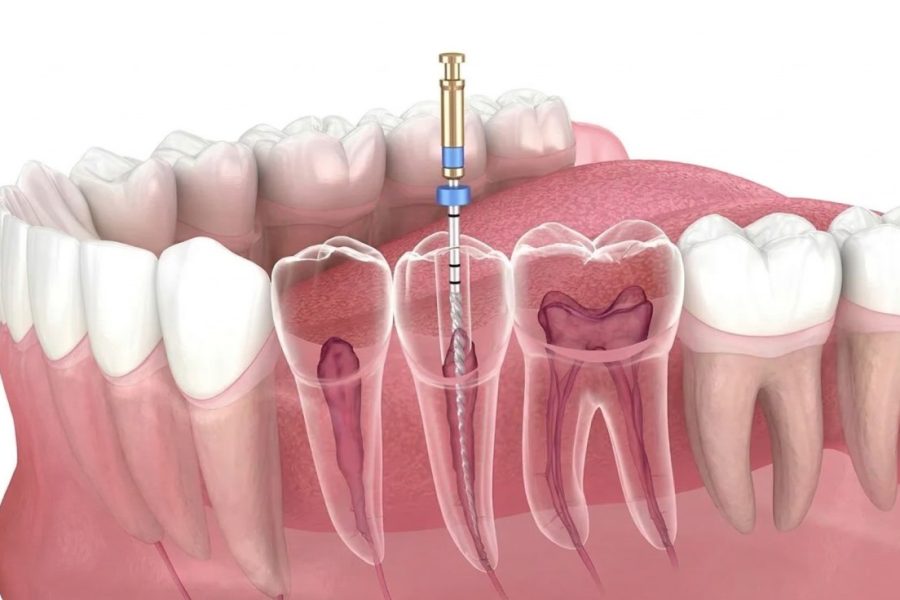
Severe tooth pain can feel overwhelming, especially when you are waiting for a dental appointment and wondering how to function normally until treatment begins. Many patients searching for root canal pain relief are not only experiencing discomfort but also anxiety about what is happening inside the tooth and whether the pain will worsen.
In most cases, an intense toothache occurs before a root canal treatment is needed because infection or inflammation has reached the inner pulp of the tooth, which contains nerves and blood vessels. While the discomfort can be severe, the good news is that effective temporary strategies can reduce pain until professional care removes the source of infection.
This guide explains why tooth pain develops, how to achieve safe and fast relief at home, what mistakes to avoid, when symptoms become urgent, and why definitive treatment remains essential for long-term oral health.
Why Tooth Pain Happens Before a Root Canal
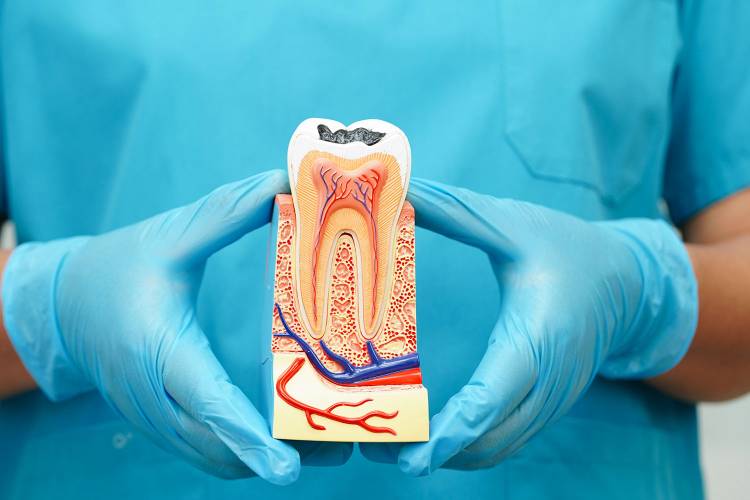
Before understanding relief methods, it helps to know why pain occurs. Toothaches requiring a root canal are rarely random; they are usually caused by a bacterial infection that has progressed deep into the tooth structure. As inflammation builds, pressure within a confined space increases, triggering intense nerve responses.
Infection Inside the Dental Pulp
When decay, a cracked surface, or a broken tooth allows bacteria to enter, the dental pulp becomes inflamed, a condition often called pulpitis. Because the pulp contains sensitive nerves, even small inflammation can produce sharp or throbbing pain.
As infection progresses, the body’s immune response increases pressure within the tooth, leading to persistent discomfort that does not resolve on its own.
Pressure Buildup in the Tooth
Unlike other tissues, the pulp cannot expand easily. Swelling creates internal pressure against nerve endings, which explains why chewing or biting intensifies pain. Patients often describe sensitivity when touching the tooth or while eating.
This pressure may eventually lead to a tooth abscess, where infection spreads beyond the root tip into the surrounding bone.
Inflammation and Nerve Irritation
Dental inflammation activates pain pathways that send continuous signals to the brain. Even temperature changes or airflow can trigger sharp sensitivity. This is why infected teeth may react strongly to hot drinks or cold air exposure.
Why Pain May Worsen at Night
Many people notice worsening symptoms after lying down. Increased blood flow to the head raises pressure around inflamed tissues, intensifying throbbing sensations and disrupting sleep.
Read more: “Tooth Extraction vs. Root Canal: Should You Pull or Save Your Tooth?”
The Fastest Ways to Relieve Pain Before Root Canal Treatment
While these strategies do not cure infection, they provide safe root canal pain relief until professional care is available. The goal is to reduce inflammation, limit nerve stimulation, and prevent additional irritation.
Cold Compress to Reduce Inflammation
Applying a cold compress externally to the cheek helps constrict blood vessels and reduce swelling. Use 15-minute on-and-off intervals to safely calm inflammation.
Cold therapy works particularly well when facial tenderness or swelling accompanies dental infection.
Safe Over-the-Counter Pain Relief
Anti-inflammatory medications recommended by a dentist can temporarily reduce nerve irritation and swelling. These medications help manage symptoms but should always be used according to professional guidance.
Pain medication controls discomfort but does not eliminate infection, which is why follow-up treatment remains necessary.
Keeping the Head Elevated
Sleeping or resting with the head slightly elevated helps reduce blood pressure in inflamed tissues. Many patients find this simple adjustment significantly improves nighttime comfort.
Elevation also helps prevent pulsating sensations commonly associated with dental inflammation.
Avoiding Pressure on the Tooth
Chewing on the affected side increases internal pressure and worsens symptoms. Choosing softer foods reduces stress on the tooth and prevents further irritation.
Patients waiting for a family dentist appointment are often advised to temporarily modify their diet consistency for comfort.
Saltwater Rinses for Irritation Control
Warm saltwater rinses help cleanse the mouth and soothe irritated gum tissue around the infected area. This practice supports oral hygiene while reducing bacterial accumulation.
Gentle rinsing can provide noticeable short-term comfort when performed several times daily.
Read more: “Root Canal Treatment Side Effects, Risks and Complications”
What NOT to Do When Waiting for a Root Canal
Understanding what worsens pain is just as important as knowing what helps. Certain common habits can intensify inflammation or accelerate infection.
Avoid Chewing on the Painful Side
Hard foods increase bite pressure and may further damage weakened tooth structure. This can quickly transform manageable discomfort into severe pain.
Do Not Apply Heat Directly
Heat may feel comforting temporarily, but it can increase swelling by promoting blood flow. Cold therapy remains the safer option for inflammation control.
Avoid Very Hot or Cold Foods
Extreme temperatures stimulate sensitive nerve endings and can trigger sudden pain spikes. Neutral-temperature foods are generally better tolerated.
Do Not Delay Treatment Too Long
Temporary relief methods should never replace professional care. An untreated infection may eventually require tooth extraction if structural damage becomes severe.
How to Sleep With Severe Tooth Pain
Nighttime discomfort is one of the most common concerns among patients searching for emergency toothache relief. Understanding how to manage sleep can significantly improve comfort while waiting for treatment.
Sleeping Position Adjustments
Keeping the head elevated using extra pillows reduces blood pressure around the infected tooth. Side sleeping on the opposite side of the painful area also minimizes irritation.
Managing Nighttime Inflammation
Avoid eating immediately before bed and maintain gentle oral hygiene routines. Reduced stimulation allows inflamed tissues to settle overnight.
Foods and Drinks to Avoid Before Bed
Sugary snacks, acidic drinks, and alcohol may aggravate inflammation and sensitivity. Choosing mild foods earlier in the evening can help prevent nighttime flare-ups.
Get Fast Relief From Tooth Pain Today
Struggling with severe tooth pain while waiting for treatment? Our professional team at Walk-In Dental Clinic is here to help you find safe root canal pain relief and address the source of infection before it worsens. Book your appointment today for prompt evaluation, expert care, and lasting comfort.
When Tooth Pain Becomes a Dental Emergency
Although many cases can wait briefly for scheduled treatment, some symptoms require immediate attention from an emergency dentist Toronto patients trust for urgent care.
Facial Swelling or Fever
Swelling accompanied by fever may indicate a spreading infection and requires prompt evaluation.
Spreading Pain or Pressure
Pain extending into the jaw, ear, or neck suggests infection progression beyond the tooth.
Difficulty Swallowing or Breathing
These rare but serious symptoms require immediate emergency medical care.
Signs of a Dental Abscess
According to clinical evidence published on the National Center for Biotechnology Information (NCBI) Bookshelf, untreated dental infections, such as abscesses, can progress beyond the tooth and spread into surrounding tissues or deeper anatomical spaces if left untreated, potentially leading to serious complications. This highlights why early professional dental intervention is essential rather than relying solely on temporary pain relief.
Why a Root Canal Is the Only Long-Term Solution
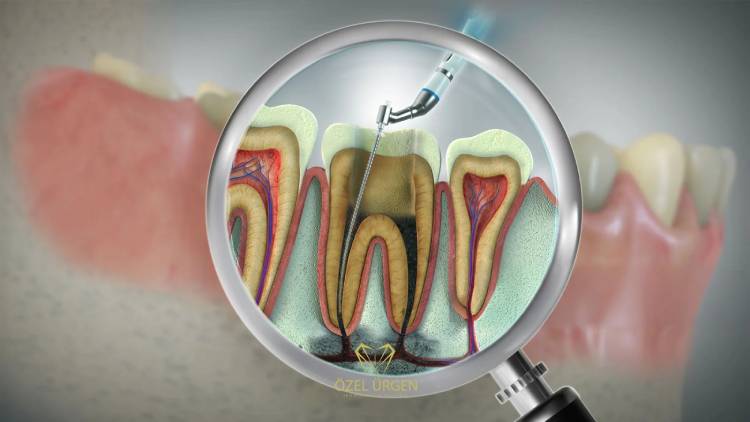
Temporary measures provide comfort, but only treatment addressing the infection source can permanently resolve symptoms. Modern root canal treatment removes infected tissue while preserving the natural tooth.
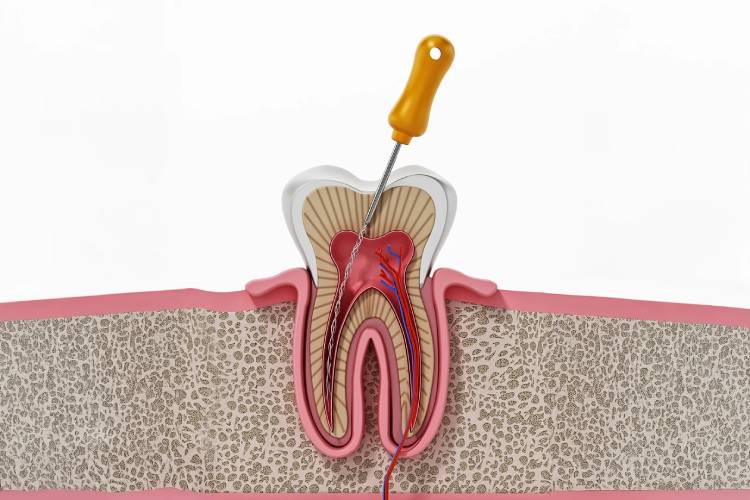
During the procedure, the dentist cleans and disinfects the internal canals, eliminating bacteria and sealing the tooth to prevent reinfection. In many cases, a restoration, such as tooth filings or a crown, strengthens the tooth afterward.
Saving the tooth maintains chewing function, jaw alignment, and overall oral health while preventing complications that may otherwise require more invasive procedures.
Our Commitment to Comprehensive Dental Care
At Walk-In Dental Clinic, patient care extends beyond emergency treatment. Our team provides preventive, restorative, and cosmetic services designed to maintain long-term oral health.
In addition to urgent dental care and infection management, patients can access services including teeth whitening, restorative dentistry, and personalized treatment planning tailored to individual needs. Every visit focuses on comfort, education, and evidence-based dental solutions.
Conclusion
Although home strategies can provide temporary root canal pain relief, they do not eliminate infection. Professional evaluation ensures the tooth is treated safely before complications develop. With modern dental techniques, root canal procedures are predictable, comfortable, and highly effective at restoring normal function.
Understanding what causes pain and how to manage it responsibly helps patients stay comfortable while preparing for definitive treatment and lasting relief.
Read more: “Root Canal Therapy Safety: Confident Facts or Old Myths?”
FAQ
1. How can I calm tooth pain before a root canal?
Cold compresses, anti-inflammatory medication, and avoiding chewing pressure can temporarily reduce discomfort while waiting for treatment.
2. Will antibiotics stop root canal pain?
Antibiotics may control bacterial spread but cannot remove infected pulp tissue, which can cause pain.
3. Can tooth pain disappear before treatment?
Pain may temporarily decrease if the nerve becomes damaged, but the infection typically persists and can worsen without treatment.
Are you currently dealing with tooth pain or waiting for a root canal appointment? Share your experience, symptoms, or pain-relief tips in the comments. We’d love to hear from you and help others learn what to expect.