
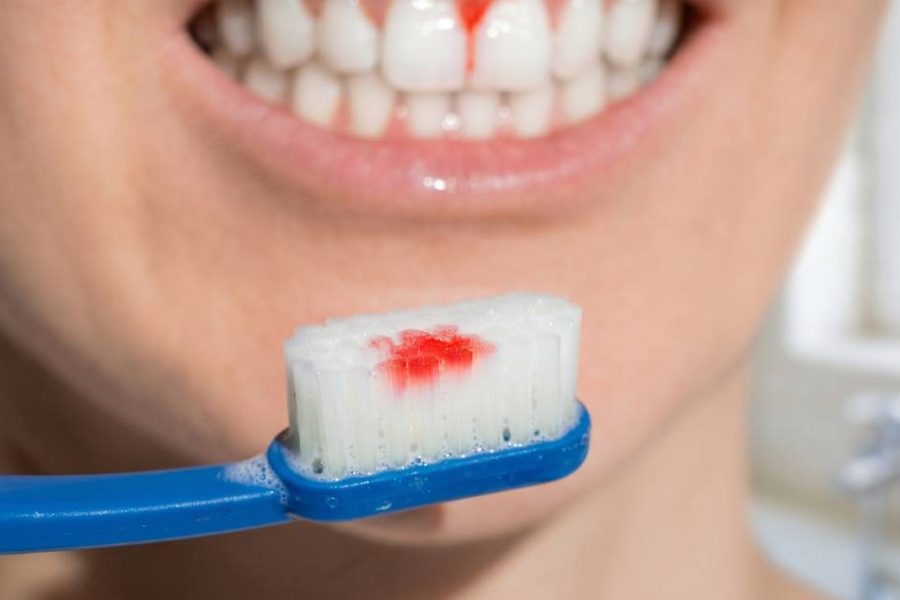
Bleeding gums are among the most common early warning signs in dentistry, yet they are often misunderstood. Many patients describe it as bleeding gums without an obvious cause, when in reality it is almost always the result of inflammation, bacterial buildup, or early gum disease developing over time, all of which fall under common causes of bleeding gums.
Clinically, gums do not bleed spontaneously without a trigger. Bleeding occurs when the protective gum barrier becomes inflamed and blood vessels near the surface become fragile. This is usually linked to plaque accumulation, poor oral hygiene, or systemic health factors.
Understanding the real causes of bleeding gums for no reason is essential because early treatment can stop progression into periodontal disease and prevent long-term damage to teeth and supporting bone. In this guide, we will explain in detail why bleeding happens, when it becomes serious, and how to stop it effectively.
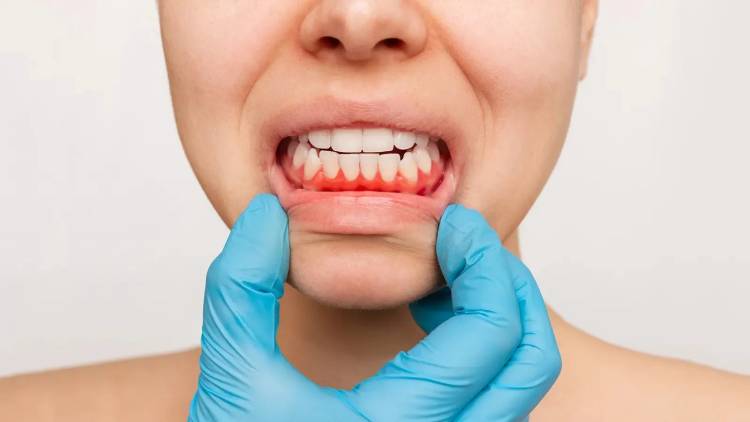
Why Are My Gums Bleeding for No Reason?
When patients ask about the causes of bleeding gums, the clinical reality is that bleeding is never spontaneous. It always reflects irritation, infection, or systemic disruption affecting the gum tissues.
In most cases, inflammation from plaque is already present, but because early stages are painless, patients assume the bleeding appears suddenly.

Is occasional bleeding normal?
Occasional bleeding can occur during oral care improvements, such as teeth cleaning and dental hygiene, especially when flossing is reintroduced after a long gap. Inflamed gums react easily because the tissue is already sensitive.
However, if bleeding continues beyond 5–7 days, it is no longer considered normal and often indicates early gingivitis that requires evaluation.
When sudden gum bleeding becomes concerning
Bleeding becomes concerning when it occurs without brushing or trauma. At this stage, it may reflect early gum disease, systemic conditions, or medication effects.
Why healthy gums usually do not bleed
Healthy gums are firm, pink, and tightly attached to teeth. Their structure is designed to resist bacteria and mechanical stress.
Bleeding occurs only when plaque bacteria trigger inflammation, which weakens capillaries and increases blood flow in the tissue.
Most Common Causes of Bleeding Gums
Causes of bleeding gums are usually from progressive plaque buildup or biological changes that weaken the gums’ defense mechanisms. Some causes are reversible, while others require professional treatment.
Gingivitis and early gum disease
Gingivitis is the earliest form of gum disease caused by plaque accumulation along the gumline. It leads to redness, swelling, and bleeding.
If left untreated, it can progress to an advanced infection requiring gum disease treatment, in which deeper tissues and bone begin to be affected.
Plaque and tartar buildup
Plaque is a bacterial film that forms daily on teeth. When it hardens into tartar, it becomes impossible to remove without professional care.
This buildup is a major driver of chronic inflammation and is why routine teeth cleaning and dental hygiene are essential for prevention.
Brushing or flossing too aggressively
Aggressive brushing can physically damage gum tissue and create micro-tears that bleed easily.
Although not disease-related, repeated trauma can worsen gum sensitivity and increase the long-term risk of gum recession.
Bleeding around one tooth
Localized bleeding often signals a specific issue, such as trapped food, infection, or early periodontal pocket formation.
If untreated, it may progress into a deeper infection, such as a tooth abscess, which can spread and require urgent care.
Smoking and tobacco use
Smoking reduces oxygen supply to gum tissue and weakens the immune response, allowing bacteria to thrive more easily.
This leads to faster progression of gum disease with fewer early warning signs.
Hormonal changes and pregnancy
Hormonal fluctuations increase gum sensitivity and blood flow, making gums more reactive to plaque.
This often leads to pregnancy-related gingival inflammation that requires careful hygiene and monitoring.
Stress and weakened immune response
Stress increases cortisol levels, weakening immune defenses and allowing bacteria to multiply more easily. As a result, even normal plaque levels can trigger persistent inflammation and bleeding.
Need Help With Bleeding Gums? Book a Dental Visit Today
If you are experiencing persistent or unexplained bleeding gums, don’t wait for the problem to get worse. Early evaluation is important to prevent gum disease from progressing and to protect your long-term oral health. Our team at a walk-in dental clinic can help you get a professional assessment, identify the exact cause, and provide the right treatment plan to restore healthier gums and a confident smile.
Medical Conditions That Can Cause Unexplained Gum Bleeding
Some cases of bleeding gums are linked to systemic conditions that affect blood clotting, immunity, or tissue repair.
Vitamin C and vitamin K deficiency
Vitamin C supports collagen formation, while vitamin K regulates blood clotting. A deficiency in either weakens gum tissue and increases the tendency to bleed.
Diabetes and blood sugar problems
High blood sugar increases bacterial growth and reduces immune efficiency, making gums more prone to infection and chronic inflammation.
Blood thinners and medications
Anticoagulant medications reduce the ability to clot, meaning even mild gum irritation can result in noticeable bleeding.
Immune system disorders
Weakened immunity allows bacteria to persist in gum tissue, leading to chronic inflammation and delayed healing.
Read more: “How to Fix a Loose Gum Flap.”
Signs Your Bleeding Gums May Be Gum Disease
Frequent bleeding is often a sign of progressive gum disease rather than temporary irritation.
Swollen or red gums
Inflamed gums appear red and puffy due to increased blood flow and immune activity.
Bad breath that does not go away
Persistent bad breath is caused by bacterial activity in deep gum pockets.
Gum recession and loose teeth
As the disease progresses, gum tissue and supporting bone are destroyed, leading to mobility and sensitivity.
Pain when brushing or eating
Pain indicates deeper inflammation and possible tissue breakdown requiring clinical care.
Pus or infection near the gums
Pus is a sign of active infection and may require urgent treatment, including possible oral surgery in advanced cases.

How Dentists Diagnose the Cause of Bleeding Gums
Dentists evaluate both local gum health and systemic conditions to determine the root cause.
Dental examination and gum measurements
Pocket depth measurements help assess the severity of inflammation and detect early periodontal disease.
X-rays and plaque evaluation
X-rays reveal hidden bone loss and infection that cannot be seen visually.
Reviewing medical history and medications
A medical background helps identify systemic causes of bleeding, such as diabetes or medication effects.
In some cases, patients may be referred to an emergency dentist in North York if symptoms are severe or rapidly progressing.
How to Stop Bleeding Gums Safely
- Improving brushing and flossing habits
Gentle brushing twice daily and consistent flossing help remove plaque buildup and restore gum health over time. - Professional dental cleaning
Routine check-ups and cleanings remove hardened tartar that cannot be removed at home and significantly reduce gum inflammation. - Deep cleaning for gum disease
Scaling and root planing clean below the gumline, remove bacteria from periodontal pockets, and support gum tissue healing. - Using antibacterial mouthwash
Antibacterial rinses help reduce oral bacteria levels, control plaque, and support the recovery of inflamed gums. - Managing medical conditions
Controlling conditions like diabetes, improving diet, and reviewing medications with a dentist or physician can significantly improve gum healing and reduce bleeding.
When Should You See a Dentist for Bleeding Gums?
- Persistent or worsening bleeding should always be evaluated by a dental professional rather than ignored.
- Bleeding lasting longer than one week
Ongoing bleeding despite proper oral hygiene is a strong indicator of underlying gum disease and requires a dental exam. - Severe swelling or pain
Significant discomfort or swelling may require urgent emergency bleeding gum treatment to prevent infection from spreading. - Loose teeth or gum recession
These are signs of advanced periodontal damage and need immediate professional care to prevent tooth loss. - Bleeding combined with fever or infection
This may indicate a spreading oral infection and should be treated as an urgent dental concern.
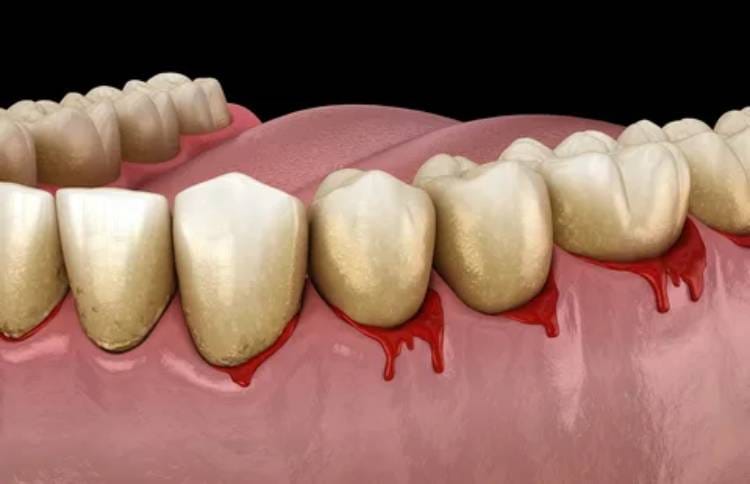
Tips to Prevent Bleeding Gums
Prevention focuses on reducing plaque and maintaining consistent oral care. Following these tips helps you prevent bleeding gums.
- Daily brushing and flossing
Remove plaque buildup twice daily and clean between teeth to prevent gum inflammation and reduce the risk of bleeding. - Regular dental cleanings
Professional cleaning removes tartar that cannot be removed at home and helps prevent early gum disease. - Healthy diet and vitamin intake
Maintain adequate intake of vitamins C and K to support gum strength and normal blood clotting. - Avoiding smoking and tobacco
Stop tobacco use to improve blood flow to the gums and reduce the risk of periodontal disease progression. - Managing stress and medical conditions
Control stress levels and manage conditions like diabetes to reduce inflammation and improve gum healing.
Important Note: This content is for educational purposes only and does not replace professional diagnosis or treatment. Dental conditions vary and require evaluation by a licensed provider.
Conclusion
Bleeding gums are rarely random. In most cases, they are an early sign of inflammation caused by plaque buildup, gingivitis, or systemic health factors. While mild cases may improve with better oral hygiene, persistent bleeding should never be ignored, especially when considering causes of bleeding gums, as this symptom often reflects an underlying gum condition that requires timely evaluation.
Early diagnosis, proper treatment of gum disease, and consistent oral hygiene are essential to prevent progression and protect long-term dental health. According to the Cleveland Clinic, bleeding gums are commonly linked to plaque-related gum inflammation (gingivitis), but can also be associated with more advanced periodontal disease or underlying health conditions. This reinforces the importance of early dental evaluation and timely treatment to prevent complications such as gum damage and tooth loss.
Read more: “Emergency Case of Bleeding Gum.”
FAQ
1. Why are my gums bleeding for no reason?
In most cases, gums do not bleed without a cause. It is usually due to plaque buildup, early gingivitis, or irritation from brushing and flossing. In some cases, systemic conditions like diabetes or vitamin deficiencies can also contribute.
2. Can bleeding gums be a sign of gum disease?
Yes. Bleeding gums are often one of the earliest signs of gingivitis and periodontal disease. If left untreated, it can progress to a more serious gum infection and bone loss around the teeth.
3. How can I stop my gums from bleeding at home?
Improving oral hygiene is the first step. Brushing gently twice a day, flossing daily, and using an antibacterial mouthwash can reduce inflammation. However, persistent bleeding usually requires a professional dental cleaning.
Comment on your experience below. Have you had the same problem with bleeding gums, or noticed it happening suddenly while brushing or eating? Share your symptoms or concerns, and our team at Walk-In Dental clinic will be happy to help guide you toward the right care.
