
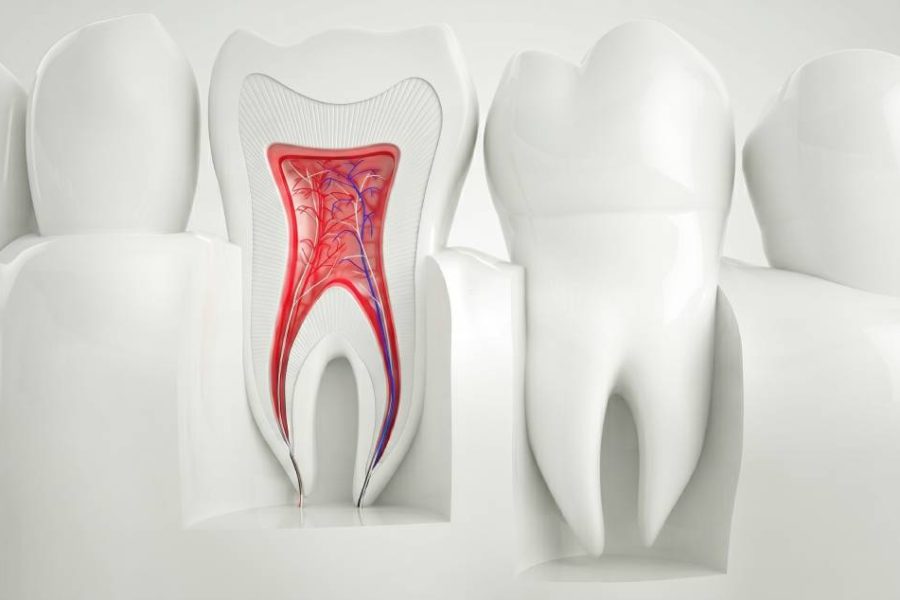
Hearing that you need a root canal can feel intimidating, especially if you’re unsure what to expect afterward. While modern dentistry has made procedures far more comfortable and effective, understanding root canal side effects is essential for a smooth recovery and peace of mind.
The truth is, most root canal side effects are temporary and manageable. In this guide, we’ll break down what’s normal, what’s not, and how you can support your healing process after treatment.
What Is a Root Canal Treatment?
Before exploring side effects, it helps to understand what the procedure involves and why it’s necessary. A root canal is designed to remove infection and preserve your natural tooth.
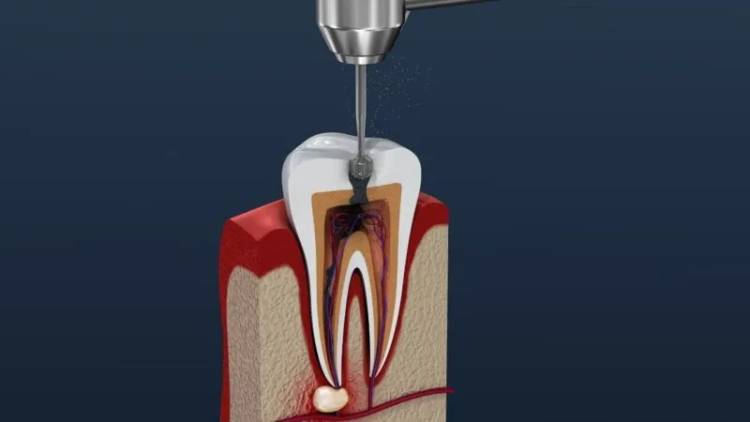
Why is a root canal needed
A root canal treatment becomes necessary when the tooth pulp becomes infected due to deep decay, cracks, or trauma. Conditions like a tooth abscess can cause severe pain, swelling, and even systemic health risks if untreated.
Rather than opting for a tooth extraction, a root canal allows you to keep your natural tooth while eliminating infection.

What happens during the procedure
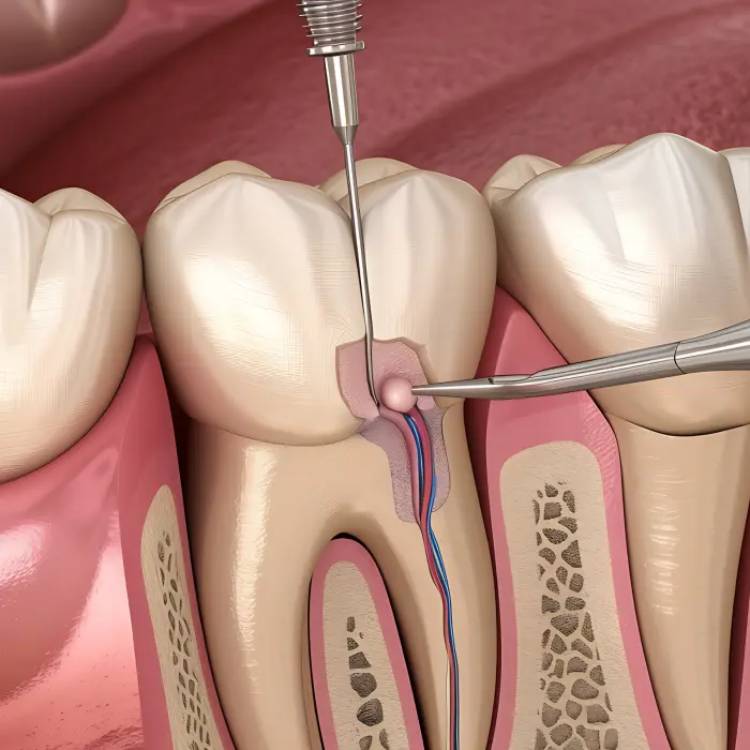
During the root canal procedure, your dentist uses local anesthesia to numb the area. The infected pulp is removed, and the inside of the tooth is cleaned through bacterial removal.
Afterward, a temporary filling is placed, and in many cases, a permanent crown is added later to restore strength and function. This approach avoids more invasive treatments like oral surgery when handled early.
Common Root Canal Side Effects
Most patients experience mild symptoms after treatment. Understanding these side effects of root canal helps reduce anxiety and ensures you know what’s part of the normal healing process.
Before diving into each symptom, keep in mind that these effects are typically short-lived and improve within a few days.
Pain and sensitivity after treatment
Experiencing pain after a root canal is one of the most common concerns. This discomfort is usually due to inflammation in the surrounding tissues rather than the tooth itself.
Sensitivity may occur when chewing or applying pressure, especially in the first few days. Proper pain management with medication can help control this effectively.
Swelling and inflammation
Mild swelling and inflammation are natural responses as your body begins healing. These symptoms are typically localized and should gradually subside.
However, if swelling increases significantly, it may indicate one of the less common problems after a root canal that requires attention.
Temporary numbness or discomfort
Because local anesthesia is used, numbness can last for a few hours after the procedure. Some patients also report a feeling of tightness or discomfort as the treated area adjusts.
This is a normal part of the healing process and usually resolves quickly.
Mild bleeding or gum irritation
Slight bleeding or gum tenderness around the treated tooth may occur, especially if the surrounding tissue was affected.
Maintaining good oral hygiene and gentle care, such as avoiding aggressive brushing, can help reduce irritation. Regular visits like teeth cleaning also support overall recovery.
Less Common but Possible Complications
While Root canal side effects are usually mild, complications can occur in rare cases. Being aware of these helps you respond quickly and seek care when needed.
- Infection or reinfection: If bacteria remain or re-enter the tooth, additional treatment may be required
- Cracked or weakened tooth: A treated tooth can become fragile without proper restoration
- Allergic reaction to materials: Though rare, some patients may react to dental materials or medications
Prompt follow-up care is essential to prevent complications from progressing.
How Long Do Root Canal Side Effects Last?
Understanding the timeline helps patients manage expectations and avoid unnecessary concern.
- Typical recovery timeline: Most symptoms improve within 3–7 days
- When symptoms should improve: Pain and sensitivity gradually decrease each day
- When to contact a dentist: If symptoms persist beyond a week or worsen
The root canal recovery time varies slightly depending on the severity of the infection and the individual’s healing ability.
Read more: “The Ultimate Fastest Way to Relieve Severe Pain Before Root Canal Treatment.”
How to Manage Side Effects After a Root Canal
Managing Root canal side effects properly can significantly improve comfort and speed up recovery. The following steps can help you navigate this phase smoothly.
Pain management tips
Over-the-counter medications are often sufficient for controlling discomfort. Your dentist may also prescribe antibiotics if there is a significant dental infection.
Avoid chewing on the treated side until healing improves, especially if you recently had a broken tooth repaired.
Maintaining oral hygiene
Good oral hygiene is critical after treatment. Continue brushing and flossing carefully to prevent plaque buildup and support healing.
This is particularly important if you’ve had procedures like tooth fillings or restorative work.
Foods to avoid
Stick to soft foods for the first few days and avoid:
- Hard or crunchy foods
- Extremely hot or cold items
- Sticky substances
These precautions help protect the treated tooth and minimize discomfort.
Importance of follow-up care
Follow-up visits ensure that healing is progressing properly and allow your dentist to place a permanent crown if needed.
Skipping these appointments can increase the risk of long-term problems after a root canal.
Book Your Root Canal Consultation Today
If you’re experiencing tooth pain or have questions about recovery after treatment, don’t wait for symptoms to get worse. Our experienced dental team is here to provide safe, effective care and guide you through every step of your healing process.
Schedule your appointment today and get the expert support you need for a healthy, pain-free smile.
Schedule your appointment today and get the expert support you need for a healthy, pain-free smile.
What to Avoid Before and After a Root Canal
Preparation and root canal aftercare both play important roles in minimizing Root canal side effects.
- Eating before procedure: Eat a light meal before your appointment, as numbness may last for several hours
- Smoking and alcohol: Avoid both, as they can slow the healing process
- Chewing on a treated tooth: This can cause damage before the final restoration is placed
Following these guidelines helps reduce complications and supports a smoother recovery.

When to Seek Immediate Dental Care
Although most Root canal side effects are mild, certain symptoms require urgent attention.
- Severe or worsening pain: Especially if it doesn’t improve with medication
- Persistent swelling: Particularly if it spreads to the face or jaw
- Signs of infection: Fever, pus, or a bad taste in the mouth
In such cases, immediate care can prevent more serious complications and may avoid the need for additional treatments.
Read more: “Tooth Extraction vs. Root Canal.”
About Dental Services
At Walk-in Dental Clinic, we provide comprehensive dental care, including preventive, restorative, and emergency dental treatments. While we offer professional guidance and services such as root canal therapy, each patient’s condition is unique and requires individualized assessment. Our team delivers tailored treatment plans based on your oral health needs, and we recommend consulting directly with a qualified dental professional to determine the most appropriate care for your situation.
Conclusion
Understanding root canal side effects can make a significant difference in how you approach recovery. While symptoms like mild pain, swelling, and sensitivity are common, they are usually temporary and manageable with proper care. By following your dentist’s instructions and maintaining good oral hygiene, you can ensure a smooth healing process and long-lasting results.
According to a clinical review published in PubMed, post-treatment discomfort after root canal therapy is generally short-lived and tends to decrease significantly within the first few days as healing progresses. The study highlights that most patients report only mild to moderate symptoms that respond well to routine pain management and do not interfere with long-term treatment success. This supports the idea that post-root canal symptoms are a normal part of the healing process and should not be mistaken for complications when properly managed.
FAQ
1. What are the most common side effects of a root canal?
Mild pain, sensitivity, and slight swelling are the most common and typically temporary.
2. How long does pain last after a root canal?
Most discomfort improves within a few days, though minor sensitivity may last up to a week.
3. Is swelling normal after a root canal?
Yes, mild swelling is part of the healing process, but severe swelling should be evaluated.
Have questions about root canal treatment or recovery? Share your concerns or experiences in the comments below. Our dental team is here to help, and your input may support others going through the same process.